Beamline Proposal & Experiment Guide
Guide to successful proposals and experiments at the Powder Diffraction beamline.


Showing 21 - 40 of 57 results
Guide to successful proposals and experiments at the Powder Diffraction beamline.

Frequently Asked Questions on the Macromolecular Crystallography beamlines (MX1 and MX2)

ANSTO plays a leading role in measuring and characterising fine particles from a range of locations around Australia and internationally.
Atmosphere scientists find link between indigenous weather knowledge and Sydney air pollution.

Guidance for obtaining and maintaining human or animal ethics approval at the Australian Synchrotron.
ANSTO expertise focused on understanding of reduced water levels at Thirlmere Lakes in three year collaborative project
The Minerals consultancy group at ANSTO has expertise in chemical engineering, metallurgy, mineralogy, chemistry, geology, and radiation safety. We can support our client's project by providing process development services, technical review, and research.
See details of previously published customer updates from our Health products team.

ANSTO and the University of Wollongong are jointly operating a unique laboratory able to extract carbon-14 (radiocarbon) atoms out of a rock that is attracting global interest as a new tool to better understand recent changes in Earth’s climate system and rates of landscape change over the past 20, 000 years.

ANSTO is proud to host the Shorebirds Competition for the fifth year. This unique environmental poster competition is free to enter and offers over $4500 in prizes for students and schools!
With enhanced submicron spatial resolution, speed and contrast, the Micro-Computed Tomography beamline opens a window on the micron-scale 3D structure of a wide range of samples relevant to many areas of science including life sciences, materials engineering, anthropology, palaeontology and geology. MCT will be able to undertake high-speed and high-throughput studies, as well as provide a range of phase-contrast imaging modalities.
Environmental scientist with a passion for fieldwork and a lifelong commitment to scientific excellence
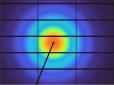
The Biological Small Angle X-ray Scattering beamline will be optimised for measuring small angle scattering of surfactants, nanoparticles, polymers, lipids, proteins and other biological macromolecules in solution. BioSAXS combines combine a state-of-the-art high-flux small angle scattering beamline with specialised in-line protein purification and preparation techniques for high-throughput protein analysis.

ANSTO is an experienced provider of Teacher Professional Development for Australian and International teachers and our courses cover a wide range of topics. Hear from expert speakers, receive new education resources, and develop lessons for your own class.

The Infrared microspectroscopy microscopes can record spectra from a range of different samples; from thin microtomed sections to polished blocks and embedded particles. This section highlights the types of samples that can be analysed using the IRM beamline


Study helps make carbon dating a more accurate chronological tool.
A collaboration of scientists from RMIT, ANSTO and the CSIRO has published pioneering research that brings new insights into intrinsically disordered proteins and protein regions (IDPs)/ (IDRs) and how they behave under various physiological processes.

The User Advisory Committee (UAC) are pleased to present this year's invited speakers.