Nuclear power technology explored
ANSTO shared expertise on next-generation reactors and nuclear power with sustainable energy experts at the Australian Academy of Science symposium in May.


Showing 1 - 20 of 78 results
ANSTO shared expertise on next-generation reactors and nuclear power with sustainable energy experts at the Australian Academy of Science symposium in May.
It's ANSTO's role to keep Australia across the very latest developments in nuclear science and technology from around the world. Part of this responsibility is keeping us abreast of the latest developments in nuclear power technologies.
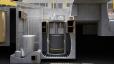
Advanced nuclear reactors, such as molten salt-based reactors and very high-temperature reactors provide a viable option within a future mix of energy systems.

Federal Parliament’s House Standing Committee on the Environment and Energy has presented its report, arising from its Inquiry into the prerequisites for nuclear energy in Australia today.


ANSTO is an experienced provider of Teacher Professional Development for Australian and International teachers and our courses cover a wide range of topics. Hear from expert speakers, receive new education resources, and develop lessons for your own class.

Australia’s Open Pool Australian Lightwater (OPAL) reactor is a state-of-the-art 20 megawatt multi-purpose reactor that uses low enriched uranium (LEU) fuel to achieve a range of activities to benefit human health, enable research to support a more sustainable environment and provide innovative solutions for industry.

ANSTO's OPAL reactor is one of the world's most advanced and reliable research reactors today. To ensure we can continue operating OPAL safely and reliably and maximise utilisation, ANSTO must regularly carry out maintenance and upgrades.
Letter to Editor of the Sydney Morning Herald following publication of news report
ANSTO's Chief Nuclear Officer shares insights on the safe management of Australia's nuclear waste.
ANSTO’s OPAL multi-purpose research reactor at Lucas Heights has officially returned to power and recommenced operations, following a months-long planned shutdown to carry out essential maintenance and upgrades.
International interest is building in Australia’s new multi-million-dollar radioactive waste processing facility at the Sydney campus of the Australian Nuclear Science and Technology Organisation (ANSTO).
Australia part of global renaissance in fusion power research symbolised by ITER experiment
ANSTO has unique facilities, capabilities and expertise to investigate materials in extreme environments for applications in energy systems, the defence industry and emerging space sector.
ANSTO will make an application to the independent nuclear regulator, ARPANSA, to vary its license for its Interim Waste Store. The original operating license was approved in 2015, enabling the facility to hold what is called a TN-81 cask of intermediate-level radioactive waste that was safely repatriated from France in 2015.
Blake Orr from ARPANSA review the Netflix series Radioactive Emergency.