

On 12 August 2026, ANSTO marked 20 years since OPAL first reached criticality. Australia's only operating nuclear reactor, OPAL progressed from contract signing to criticality in just six years, with contracts signed in 2000 and the reactor reaching criticality on 12 August 2006.
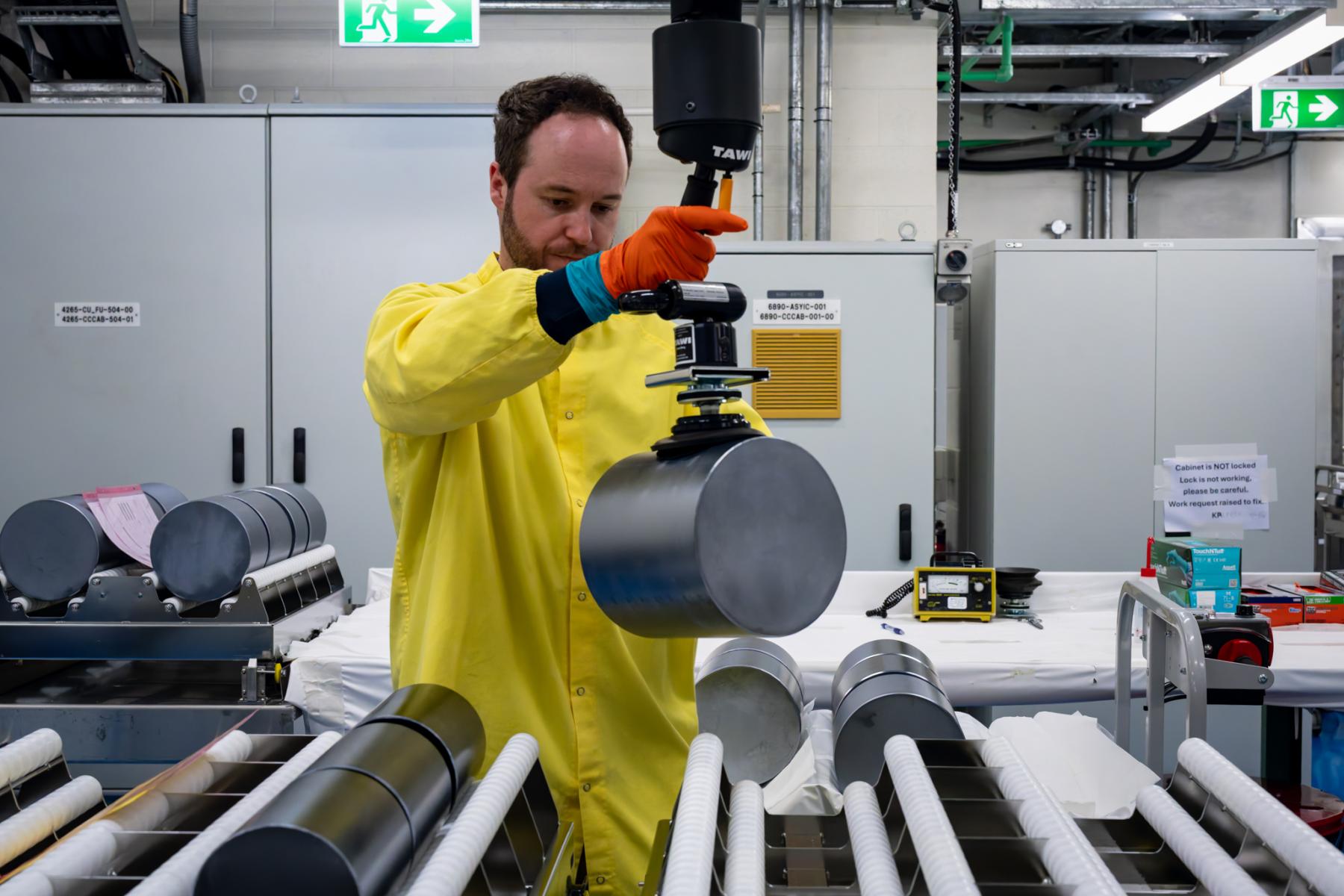
Since then, OPAL has become one of Australia’s most significant pieces of scientific infrastructure, supporting the production of more than 10 million nuclear medicine doses, irradiating 900 tonnes of silicon ingots and generating the neutrons that have enabled more than 8,000 scientific experiments and contributed to more than 2,500 scientific journal articles.
Insights from an OPAL engineer
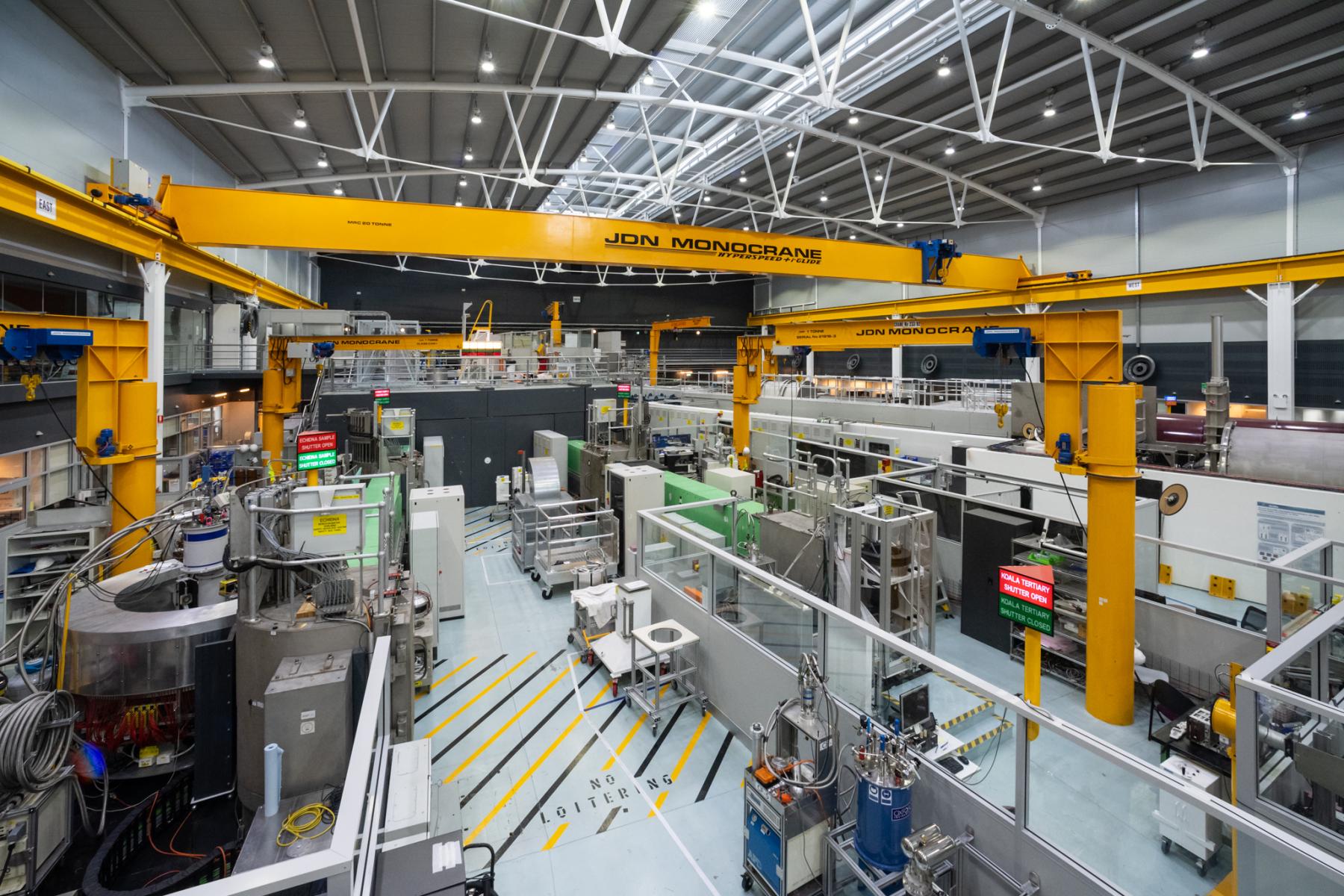
For 20 years, OPAL has been at the heart of nuclear science in Australia. As Australia’s only operating nuclear reactor and one of the world’s most utilised multi-purpose reactors, OPAL has delivered world-class science, supported critical industries and helped improve lives every day.
In this video, OPAL Engineer Cristina reflects on being part of the reactor’s construction team and the benefits OPAL continues to deliver for Australia.



2002-2006
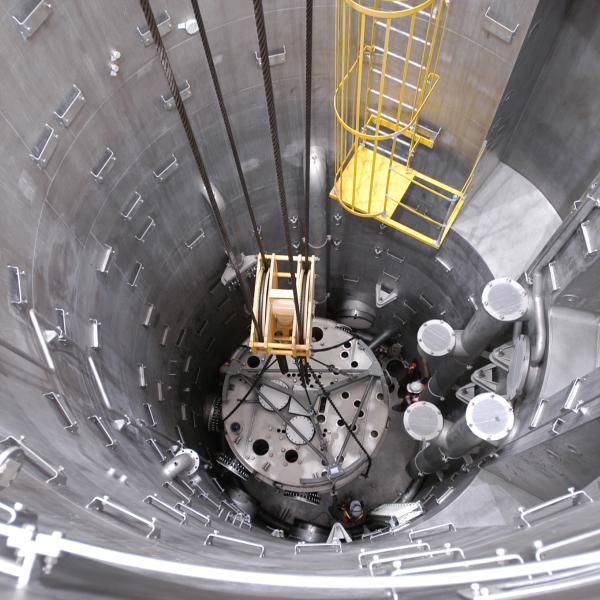
Construction
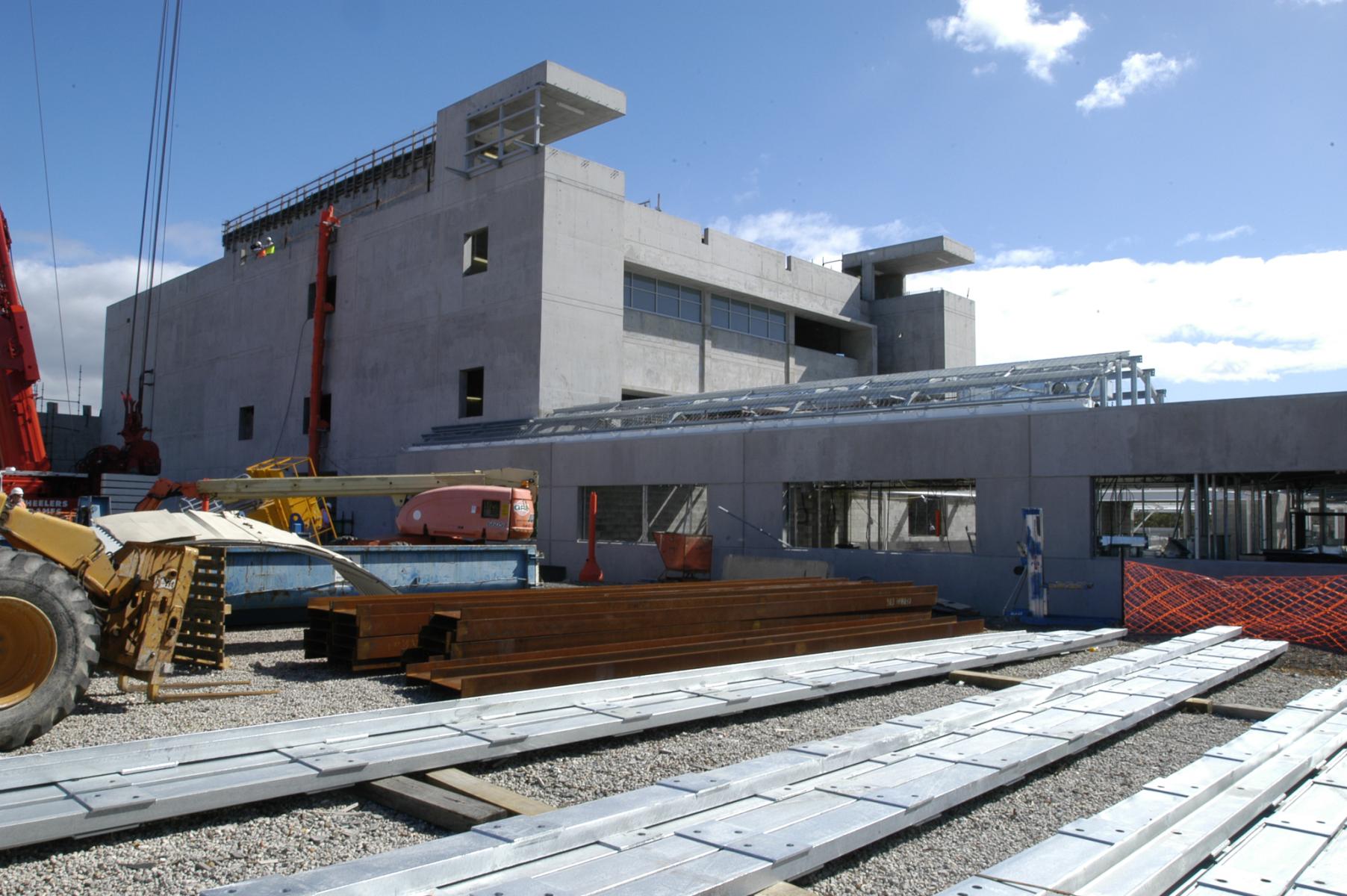
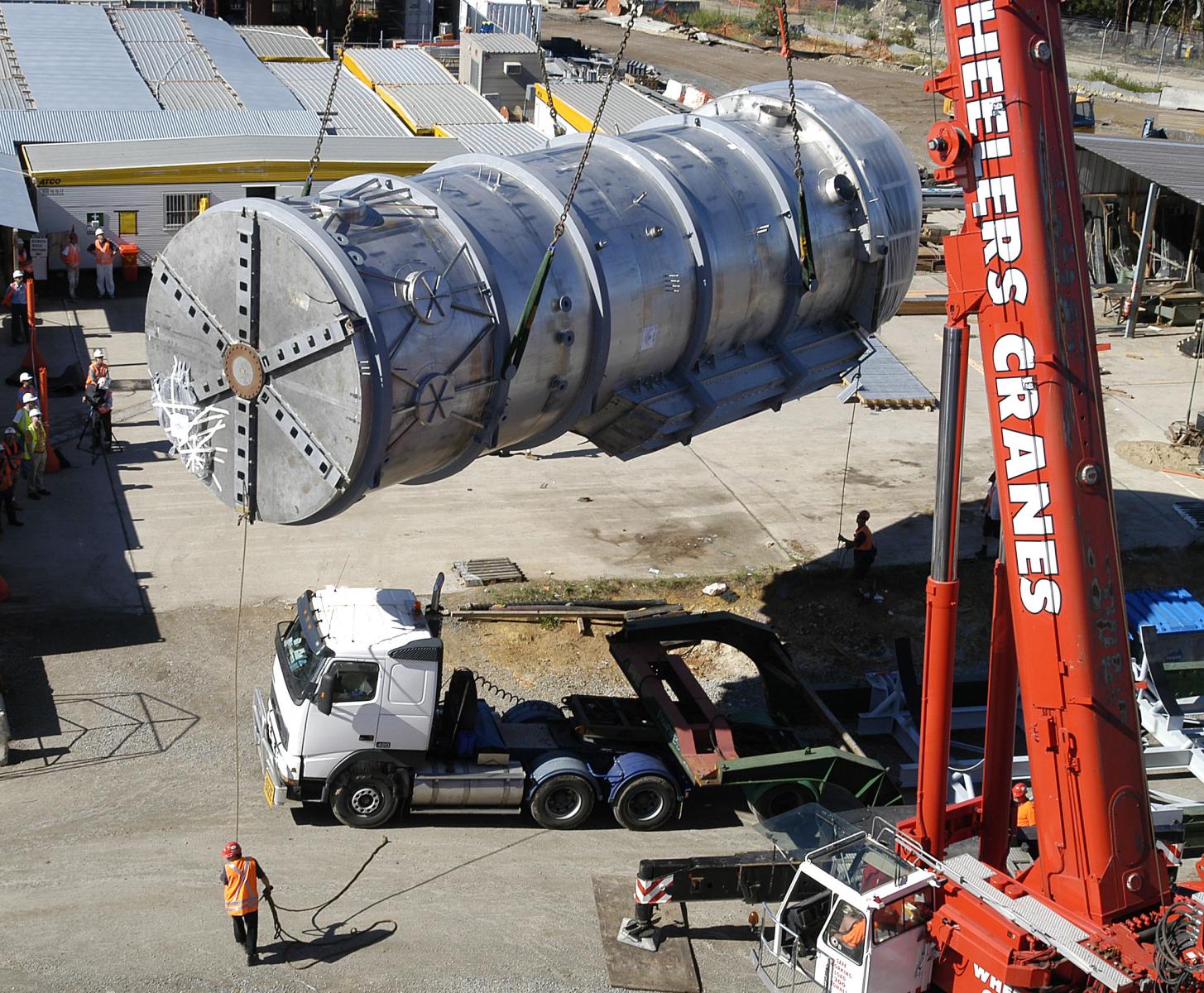
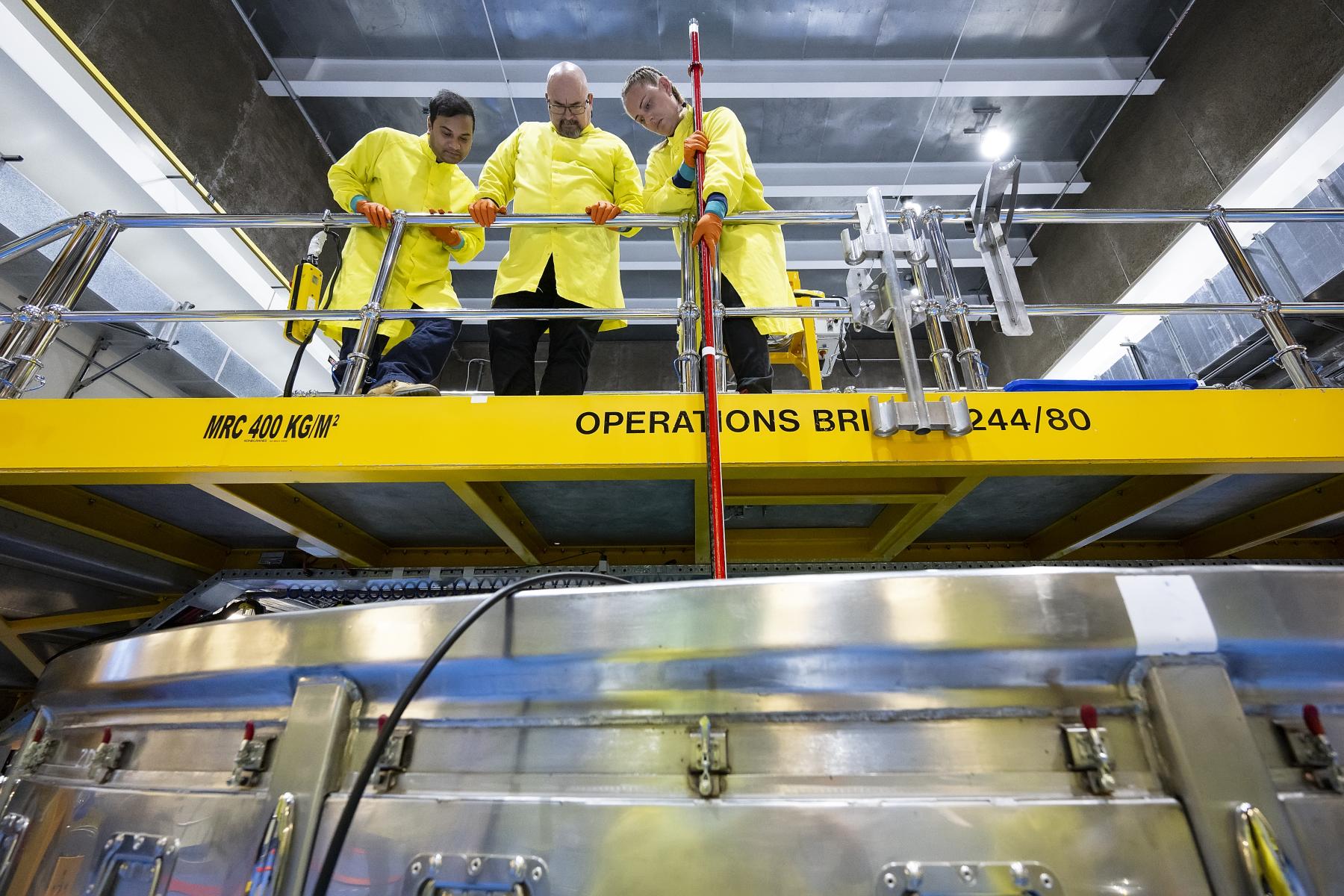
The Australian Radiation Protection and Nuclear Safety Agency (ARPANSA) issues construction licence in April 2002. Construction begins and takes four years from 2002 to criticality in 2006.
Learn more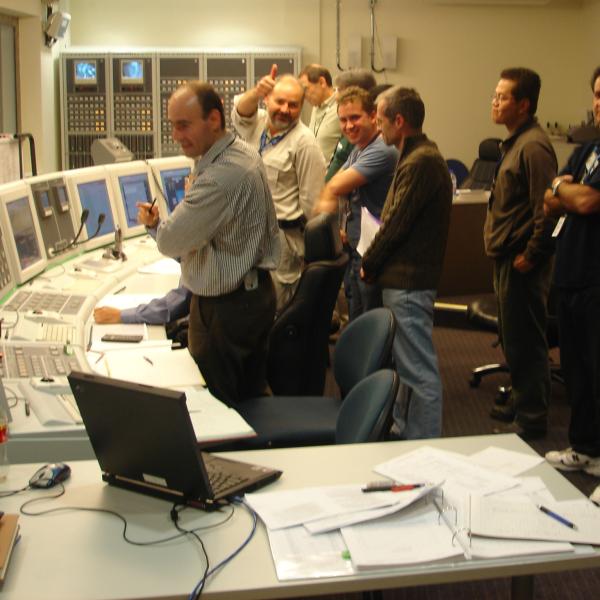
2006
Reaching criticality
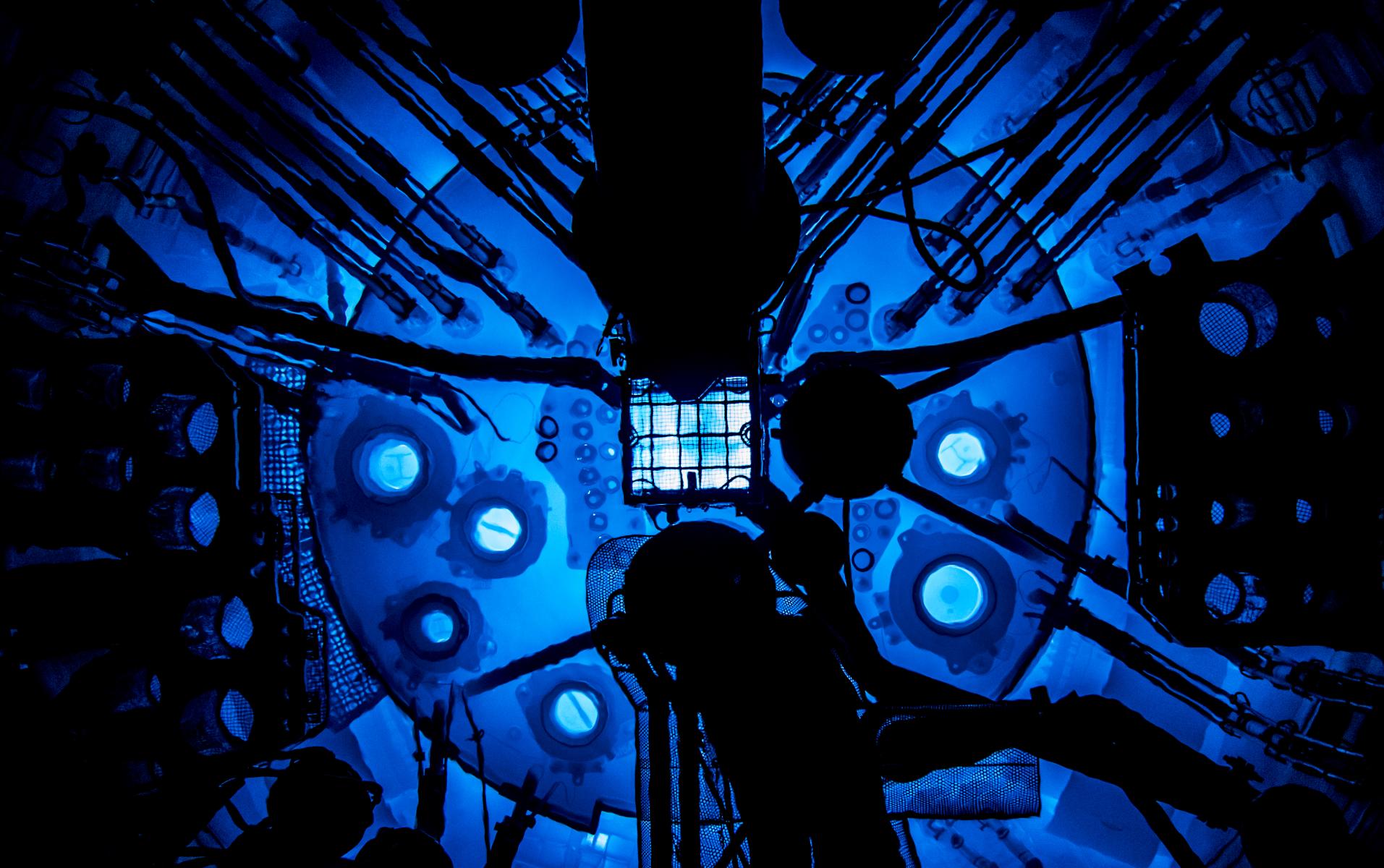
On 12 August 2006, Australia’s multi-purpose reactor, OPAL, first reaches criticality when the reactor successfully sustains its first controlled nuclear chain reaction.
Learn more about OPAL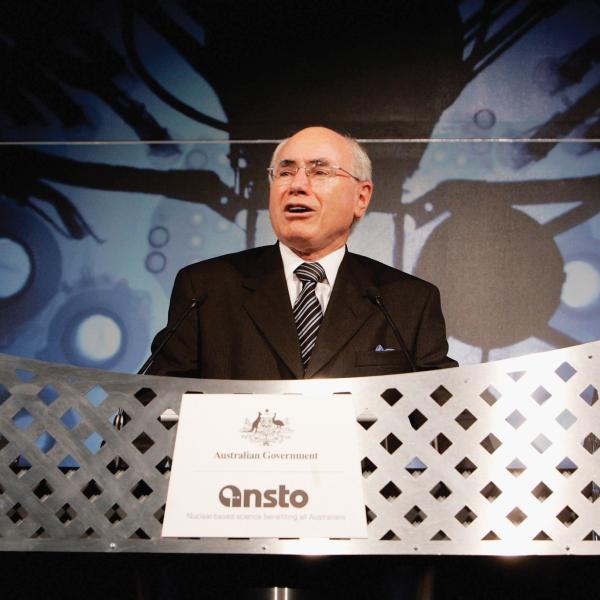
2007
Official opening
John Howard, who was Prime Minister of Australia at the time, officially opens the OPAL reactor on 20 April 2007 at ANSTO’s Lucas Heights campus in Sydney.
Learn more about Australia’s nuclear science history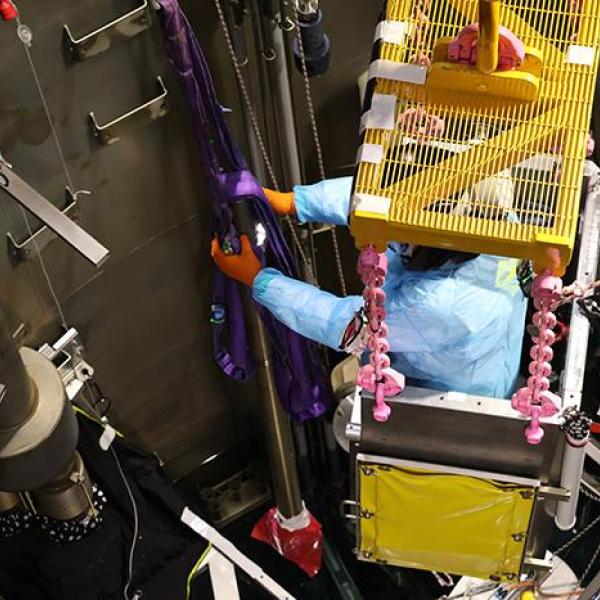
2024
Upgrading for the future
The original cold neutron source (CNS) is replaced by a new and improved CNS in September 2024, to extend OPAL’s operating life and increase scientific performance.
Learn more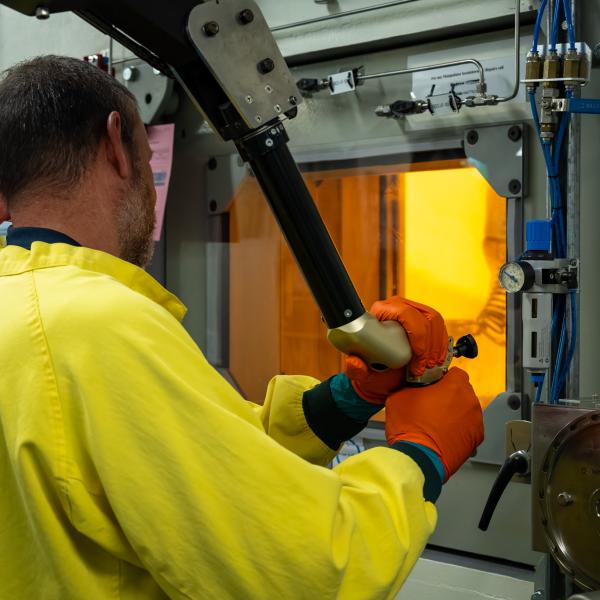
2026
20 years of OPAL
OPAL celebrates 20 years supporting the production of over 10 million nuclear medicine doses, irradiating 900 tonnes of silicon ingots and producing enough neutrons to enable over 8,000 scientific experiments.
Learn more about the impact of OPAL



Frequently Asked Questions
Why was OPAL built?
OPAL was built to provide Australia with a modern, world-class research reactor capable of supporting healthcare, scientific research and industry. It was designed to ensure a reliable domestic supply of critical nuclear medicines, provide advanced neutron beam research capabilities for scientists and industry, and support specialised manufacturing applications. Today, OPAL remains one of Australia's most important pieces of national research infrastructure.
What did OPAL replace?
OPAL replaced ANSTO's High Flux Australian Reactor (HIFAR), which had operated for nearly 50 years.
How many people did it take to build OPAL?
The core team was comprised of 100-120 people but at the peak of construction, about 500 people were on site. OPAL’s successful construction has been credited to teamwork with interactions between specialists from different disciplines critical.
How long did it take to construct OPAL?
Construction of OPAL began in 2002 and the reactor first reached criticality on 12 August 2006. For a project of this scale and technical complexity, completing the reactor in just four years was a remarkable achievement and a testament to the expertise of the teams involved.
Why is it called OPAL?
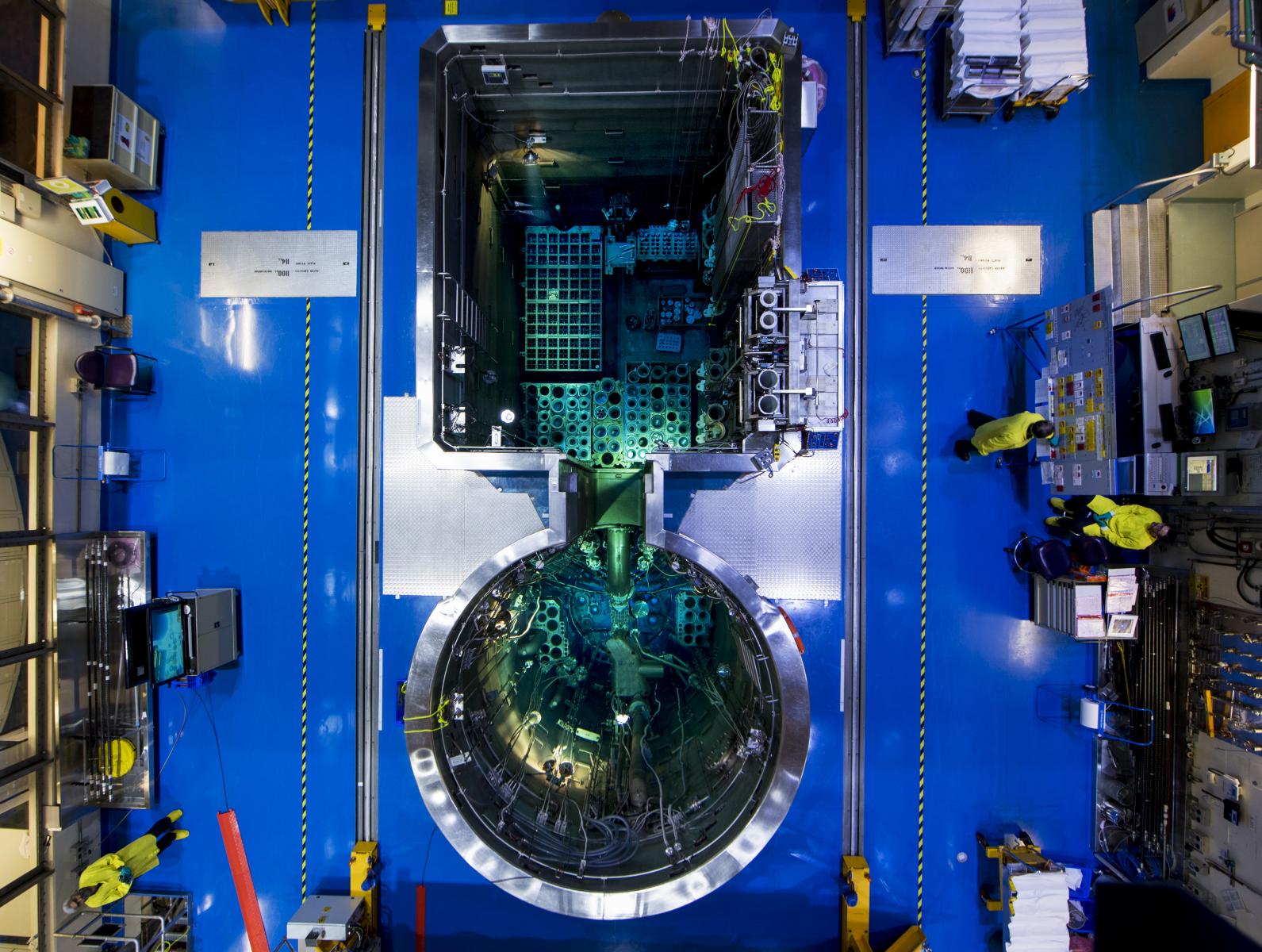
OPAL stands for Open Pool Australian Lightwater reactor. The name reflects the reactor's design, which uses ordinary water for cooling and moderation and features an open pool configuration. The OPAL name also reflects the brilliance of the Australian gemstone.
Does OPAL produce electricity?
OPAL cannot produce electricity. It wasn’t designed to be capable of producing electricity. It can’t be modified to produce electricity.