

Showing 581 - 600 of 2126 results
Big Ideas
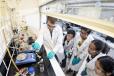
ANSTO Big Ideas encourages students to creatively communicate the work of an Australian scientist, and explain how their work has inspired them to come up with a Big Idea to make our world a better place. This competition is intended to engage and support Australian students in years 7-10 in Science and encourage them to pursue studies and careers in STEM.
Independent Report - Safety of Building 23
ANSTO has released the Independent Safety Review of Building 23 - Nuclear medicine production facility.
Sharing expertise with regional neighbours
Participants undertook IAEA training hosted by Macquarie University and ANSTO on use of radionuclides for soil and water investigations.
Remediation project underway

Access to information

Sydney
CORIS360® advanced radiation imaging solution
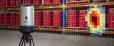
CORIS360 delivers fast, accurate radiation detection and imaging, making invisible radiation visible to improve safety and decision making in radioactive environments.
Industry Access - Lucas Heights
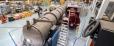
ANSTO’s Lucas Heights campus has an extensive range of specialised facilities and capabilities that are available to assist industry-based professionals in solving problems. Please contact us to discuss how we can assist you. We are open to entering into commercial arrangement with appropriate partners.
nandin - one year on
It’s been one year since nandin opened its doors. Let's take a look back at what we've achieved so far before setting our sights on the future.

Sydney

Corporate Publications
Explore ANSTO's range of publications and reports available for the public.

Deaf Youth Science Camp
The 2025 Deaf Youth Science Camp is a chance for Deaf/hard-of-hearing young people (aged 12-17 years old) to participate in an immersive science experience. At the camp, participants will do hands-on science activities, go on tours of different science facilities, and meet Deaf STEM professionals. The camp is also an opportunity to develop personal and leadership skills as well as enhance friendship networks.

Anonymised Review
ANSTO has agreed to participate in an Australian trial of a review of research infrastructure access proposals in which applicants remain anonymous to aid the removal of structural barriers to the career progression of Women in STEM.
Award for Commercial Acumen
Graduate profile - Matthew Teusner
Materials researcher with a passion for chemistry, Matthew Teusner is investigating lithium sulfur materials to support the next step in cleaner battery power.
Contribution to authoritative nuclear publication
ANSTO has contributed to the internationally-distributed handbook on plutonium published by the American Nuclear Society.
Certificate of appreciation from WA DFES
ANSTO and the Australian Radiation Protection and Nuclear Safety Agency (ARPANSA) have been recognised for their valuable contributions to the search and recovery efforts for a missing 8mm-long radioactive capsule in the Western Australian outback.
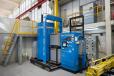
Hot Isostatic Pressing
Hot Isostatic Pressing supports advanced manufacturing by increasing a material's density and reducing porosity. This capability complements ANSTO’s extensive suite of instruments and techniques for characterising materials and final products.