
FAQs - Macromolecular Crystallography
Frequently Asked Questions on the Macromolecular Crystallography beamlines (MX1 and MX2)


Showing 21 - 40 of 76 results
Frequently Asked Questions on the Macromolecular Crystallography beamlines (MX1 and MX2)

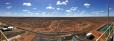
The Minerals consultancy group at ANSTO has expertise in chemical engineering, metallurgy, mineralogy, chemistry, geology, and radiation safety. We can support our client's project by providing process development services, technical review, and research.
Atmosphere scientists find link between indigenous weather knowledge and Sydney air pollution.
Dharawal educator Fran Bodkin has spent a good part of her eighty plus years, studying or sharing information about the therapeutic and nutritional properties of traditional indigenous plants and wildlife.
Environmental scientist with a passion for fieldwork and a lifelong commitment to scientific excellence

Marianne has been at ANSTO since August 2018 and has overseen the Information Digital Services (IDS) group during this time.
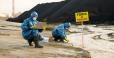
Billions of tonnes of iron ore tailings are generated each year from the mining industry. Converting these toxic tailings into soil-like materials which can develop and sustain plant and microbial communities is critical for mine site remediation and improved environmental outcomes.

At ANSTO we understand that diverse teams produce better outcomes – and we value the merit that a diverse perspective can bring to the quality and outcomes of our work, and the way we get the job done.

Scientists at ANSTO characterise structures with atomic detail using probes such as x-rays, electrons, neutrons and ions.
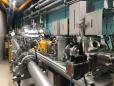
The Medium Energy- X-ray Absorption Spectroscopy beamlines provides access to XANES and EXAFS data from a bending magnet source, optimised for cutting-edge applications in biological, agricultural and environmental science in an energy range that is not currently available at the Australia Synchrotron.

Guidance for obtaining and maintaining human or animal ethics approval at the Australian Synchrotron.
ANSTO has contributed to research that indicated that Aboriginal people had a broad diet and intensive plant processing technologies, allowing them to respond to changes in climate, sea level and vegetation over the last ca. 65,000 years.



ANSTO and the University of Wollongong are jointly operating a unique laboratory able to extract carbon-14 (radiocarbon) atoms out of a rock that is attracting global interest as a new tool to better understand recent changes in Earth’s climate system and rates of landscape change over the past 20, 000 years.