
Corporate Publications
Explore ANSTO's range of publications and reports available for the public.


Showing 261 - 280 of 1507 results
Explore ANSTO's range of publications and reports available for the public.
ANSTO recognises local Indigenous heritage in new mural


Currently ANSTO partners with the Australian Bureau of Meteorology to operate the Australian GNIP stations with samples analysed at ANSTO’s Environmental Isotope Laboratories in Sydney.
Applications are now being accepted for the Industry foundations Scholarship.
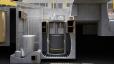
Advanced nuclear reactors, such as molten salt-based reactors and very high-temperature reactors provide a viable option within a future mix of energy systems.

The Biosciences team undertakes the radiolabelling of chemical, biochemical. biological or material vector for the purpose of radiotracing in living systems.
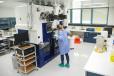
Research and development activity explores new, boutique radioisotopes, including positron, gamma and beta/gamma emitter. The aim is to provide material for the next generation of diagnostic and therapeutic radiopharmaceuticals
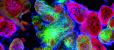
The measurement and manipulation of radiation and radioactive materials within biological systems. Capabilities include access to a range of radioisotopes, gamma/X-ray sources and a selection of X-ray beams, ion beams and neutron beams for irradiation.

Expertise in the use of PET and SPECT imaging techniques to understand biological processes at the cellular and molecular level. The techniques ae also used to study disease processes and monitor the effects of new therapies

ANSTO provides a range of radiotracers for pre-clinical and clinical research using the OPAL multipurpose reactor. Users can access more than 300 known radiotracers. If a starting material is provided, new and non-commercial radiotracers can be produced.

Biosciences staff support research for radiopharmaceutical translation, radiation biology and radiotracer studies. New radiotracers can be fully characterised and assessed by a range of evaluation techniques, including in vitro and in vivo studies.
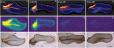
The use of radioisotopes, radiolabeled molecules and radioactive particles in conjunction with a range of quantitative imaging spectroscopy and radiation counting methods.
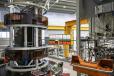
This state-of-the-art metastable-exchange optical-pumping helium-3 polarising system enables polarisation-analysis experiments on five of our existing instruments.
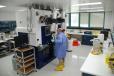
Using the OPAL multipurpose reactor,, ANSTO can provide a diverse suite of radioisotopes for research and applications
Connect with the businesses and organisations seeking better understanding decommissioning oil and gas infrastructure and the potential impact of contaminants on marine life.
A new imaging technology developed at ANSTO makes it possible to image, identify and locate gamma-ray radiation in a safe and timely manner.
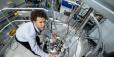
Theinstrument is typically used to study diffusing water molecules or yet larger molecules like polymers or biological molecules. In addition, Emu can reveal quantum-mechanical tunnelling.