Principal Research Scientist, Manager - Spent Fuel Program (Nuclear Fuel Cycle)


Showing 361 - 380 of 401 results





Role at ANSTO

A selection of research highlights, instrument news and technical developments for scientists.
Dr Filomena Floriana Salvemini is an instrument scientist on the neutron imaging instrument DINGO.
The new Micro Computed Tomography (MCT) beamline is the first instrument to become operational as part of the $94 million Project BRIGHT program, which will see the completion of eight new beamlines at ANSTO’s Australian Synchrotron.


The Think Science! event encourages students to engage with the Science Inquiry Skills process as outlined in the Australian National Curriculum.
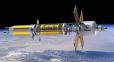
ANSTO researchers are investigating nuclear propulsion systems for applications on the sea and in space.




Bushfires heat soil to extreme temperatures and this causes oxidation of chromium to a highly toxic and carcinogenic form.
With a well-established portfolio of nuclear research and the operation of Australia's only nuclear reactor OPAL, ANSTO scientists conduct both fundamental and applied research on fuel for current, advanced, and future nuclear technology systems.