Understanding fine particle pollution
Thirty years of ANSTO's unique capability in monitoring fine particle pollution provides insight on bushfire smoke.


Showing 41 - 60 of 167 results
Thirty years of ANSTO's unique capability in monitoring fine particle pollution provides insight on bushfire smoke.
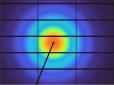
The Biological Small Angle X-ray Scattering beamline will be optimised for measuring small angle scattering of surfactants, nanoparticles, polymers, lipids, proteins and other biological macromolecules in solution. BioSAXS combines combine a state-of-the-art high-flux small angle scattering beamline with specialised in-line protein purification and preparation techniques for high-throughput protein analysis.

Online and interactive while in your home. Kids can zoom into these school holidays workshops and create movies, animations, arcade games, roller coasters and more. Limited spaces: book now.

ANSTO User Meeting 2021 - Speakers

Role at ANSTO
Carl is a chemist working in radiopharmaceutical development.

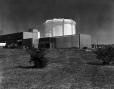
In April 15, 1953, Australia entered the nuclear science arena, when the Atomic Energy Act came into effect. The Australian Atomic Energy Commission (AAEC) followed and in 1987 the AAEC evolved into the Australian Nuclear Science and Technology Organisation (ANSTO) as it’s known today.
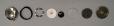
How to prepare samples for analysis on the Powder Diffraction beamline.



ANSTO plays a leading role in measuring and characterising fine particles from a range of locations around Australia and internationally.
A groundbreaking international study has provided new insights into global fossil methane emissions, using innovative multi-isotopic atmospheric measurements.

Publications and resources from the Powder Diffraction beamline.