Data Analysis
Below lists some useful programs for data reduction, search matching, analysis and structure visualisation of diffraction data.


Showing 461 - 480 of 861 results
Below lists some useful programs for data reduction, search matching, analysis and structure visualisation of diffraction data.
The need for a smaller, more transportable version of ANSTO’s 1500-litre atmospheric radon-222 monitor, and with a calibration traceable to the International System of Units, prompted the team to develop a 200-litre radon monitor that would meet those needs.
As the flagship facility of ANSTO’s Innovation Precinct at Lucas Heights, nandin recently celebrated its fifth anniversary in a special gathering held this week for its startups, businesses and innovation community.
Publications and resources from the Powder Diffraction beamline.

In July 2023, Sateesha stepped into the role of General Manager of the Minerals business unit at ANSTO.
(ANSTO) has welcomed the launch of the new National Science Statement and revitalised National Science and Research Priorities by Minister for Industry and Science, The Hon Ed Husic MP and Australia’s Chief Scientist, Dr Cathy Foley AO PSM.

The Think Science! competition encourages students in Years 3-10 to learn science inquiry skills in a fun and accessible way! Entry is FREE and there are generous prizes for winning schools. Any topic can be chosen, and special materials are not required.

Professor Lee is a Nuclear Medicine Physician at Austin Health in Melbourne, with extensive nuclear medicine expertise and is very highly regarded in the nuclear medicine community.
The National Deuteration Facility has supplied deuterium labelled lipids to quantify lipid biomarkers in a blood test to help diagnose breast cancer.
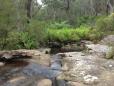
ANSTO undertakes a rigorous environmental monitoring program and shares expertise nationally and internationally.

Meg is an engineer with a Bachelor of Engineering (Honours) from the Australian National University, where they specialised in material and mechanical systems and biomedical systems.

Shorebirds Competition 2021 results.

ANSTO is proud to host the Shorebirds Competition for the fifth year. This unique environmental poster competition is free to enter and offers over $4500 in prizes for students and schools!
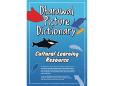
Dharawal Cultural Learning Resource produced by the Sutherland Shire Reconciliation group. The voices have been recorded by local residents, parents and children, speaking in language.

ANSTO User Meeting 2021 - Speakers
indigenous Cultural Intellectual Property is a broader way of talking about First Peoples’ rights to their cultural heritage, traditional knowledge and cultural expressions.

At ANSTO we understand that diverse teams produce better outcomes – and we value the merit that a diverse perspective can bring to the quality and outcomes of our work, and the way we get the job done.