Progress on dark matter lab
Moving earth in the search for dark matter: laboratory construction underway at mine site.


Showing 541 - 560 of 657 results
Moving earth in the search for dark matter: laboratory construction underway at mine site.

Synchrotron light is the electromagnetic radiation emitted when electrons, moving at velocities close to the speed of light, are forced to change direction under the action of a magnetic field.

ANSTO provides a summary of waste production and consumables for FY2024 - FY2025
Scientists at ANSTO characterise structures with atomic detail using probes such as x-rays, electrons, neutrons and ions.
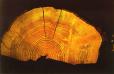
Radiocarbon dating is a well-known method for determining the age of materials up to the age of approximately 50,000 years.
Advanced imaging reveals unusual, unseen patterns in seabird feathers.
Technology at heart of award-winning wastewater innovation from BioGill.
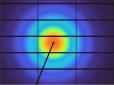
The Biological Small Angle X-ray Scattering beamline will be optimised for measuring small angle scattering of surfactants, nanoparticles, polymers, lipids, proteins and other biological macromolecules in solution. BioSAXS combines combine a state-of-the-art high-flux small angle scattering beamline with specialised in-line protein purification and preparation techniques for high-throughput protein analysis.
Imperial College London researchers tapped into ancient geological data locked within precariously balanced rocks using a new technique to boost the precision of hazard estimates for large earthquakes.

Accelerator Operators operate the synchrotron and its subsystems 24 hours a day, six days a week, and maintain very high beam availability for facility users.
The Australian Centre for Neutron Scattering and National Deuteration Facility have announced the first recipients of the Neutron and Deuteration Impact Awards.
International study has revealed a clustering of charged particles in the microgravity environment of space,with implications for the development of materials and better drugs that depend on the mixing of two or more charged particles.

ANSTO plays a leading role in measuring and characterising fine particles from a range of locations around Australia and internationally.
The Minerals consultancy group at ANSTO has expertise in chemical engineering, metallurgy, mineralogy, chemistry, geology, and radiation safety. We can support our client's project by providing process development services, technical review, and research.
ANSTO has contributed to a recent publication in Nature Communications Biology that represents a landmark achievement in structural biology, an understanding of protein regulation mechanisms in Mycobacterium tuberculosis (Mtb), a global health threat.
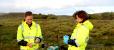
Accurate low level tritiated water (HTO) data is an essential tool for groundwater dating and understanding groundwater recharge processes.
nandin is ANSTO’s Innovation Centre where science and technology entrepreneurs, startups and graduates meet industry expertise to experiment, co-create, innovate, and commercialise, creating new jobs in the high-growth industries of tomorrow.

Ozone in the upper atmosphere is a crucial shield of UV, but ozone at surface levels is a respiratory irritant and health hazard.
Students investigate surface-level ozone concentrations in the air around Liverpool, NSW, using descriptive statistical analysis, a univariate analysis and a bivariate analysis to explore the data. Students also investigate the relationship between ozone concentration and certain pollutant gases, as well as the effect of temperature.
Small modular reactors can be built using Generation IV reactor technologies, that old the promise of considerably higher efficiency for decarbonised energy production and industrial heat co-generation.