

Showing 641 - 660 of 1171 results
Window into the cell
Access to a ‘window into the cell’ with University of Wollongong cryogenic electron microscope at ANSTO.

User Meeting 2020 Prizes & Awards
Awards and prizes granted at the User Meeting 2020 for scientists.
Research highlights the importance of the Murray Darling Basin for Australia’s waterbirds
An environmental study supported by a citizen science project at ANSTO and UNSW has brought greater understanding of the movement of birds between all of Australia’s major water basins and the importance of the Murray-Darling River Basin.
Research to extend aircraft fatigue life
Advancing particle therapy
Meeting of minds about potential next-generation cancer treatment for Australians
Twenty PhD students take on an innovation challenge linked to leading Australian industry partners
Nine PhD students are taking part in a rare opportunity to deliver an innovative solution to a real-world challenge for an industry partner in ANSTO’s National Graduate Innovation Forum in association with the Australian Council of Deans of Science and the Australian Institute of Nuclear Science and Engineering.
Man-made fossil emissions larger than previously believed
ANSTO contributes to major study on global warming by measuring methane and carbon monoxide trapped in ice.
Common drug source of insights into formation of 'butterfly' crystals
Insights into the crystallisation process of twin crystals important for drug production.
Using ocean water to understand feeding habits of Humpback Whales
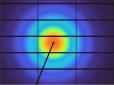
Biological small angle X-ray scattering beamline (BioSAXS)
The Biological Small Angle X-ray Scattering beamline will be optimised for measuring small angle scattering of surfactants, nanoparticles, polymers, lipids, proteins and other biological macromolecules in solution. BioSAXS combines combine a state-of-the-art high-flux small angle scattering beamline with specialised in-line protein purification and preparation techniques for high-throughput protein analysis.
Synroc: Australian innovation increases technology readiness for waste treatment plant
Investigating the impact of radiation and radioactive contamination on forensic trace evidence
Symposium on advanced therapy
Science and medical experts meet in Adelaide to discuss great potential of particle therapy in Australia
Understanding how adaptive immune cells recognise and interact with the SARS CoV-2 virus
A team of scientists led by Monash University and the University of Melbourne in association with the Peter Doherty Institute for Infection and Immunity have made progress in clarifying the molecular interactions that underpin how our adaptive immune cells recognise SARS CoV-2, which causes COVID-19.
Lead, Food Materials Science; Instrument Scientist, QUOKKA (Small-Angle Neutron Scattering); Honorary Professor, CNFS, The University of Queensland
Role at ANSTO
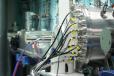
Beamline Proposal & Experiment Guide
Guide to successful proposals and experiments at the Powder Diffraction beamline.
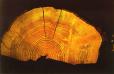
Radiocarbon dating
Radiocarbon dating is a well-known method for determining the age of materials up to the age of approximately 50,000 years.
An unambiguous message of support for carbon capture: a new ARC Centre of Excellence
The ARC Centre of Excellence (CoE) for Green Electrochemical Transformation of Carbon Dioxide, GETCO2, will support innovative approaches to carbon capture.