


Showing 721 - 740 of 856 results
Deciphering the complex molecular activity that leads to cell death
Research on the mechanism of cell death has insights to bring progress on neurodegenerative diseases and plant biosecurity.
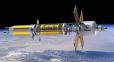
Nuclear propulsion systems
ANSTO researchers are investigating nuclear propulsion systems for applications on the sea and in space.

User Meeting 2024 award recipients
ANSTO and the User Meeting 2024 organising committee celebrate this years award recipients.
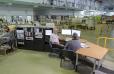
Aerosol Sampling Program
ANSTO plays a leading role in measuring and characterising fine particles from a range of locations around Australia and internationally.
Radiocarbon dating and stable isotope analysis contribute to Antarctic research
Study shows for the first time that vegetation in the Windmill Islands, East Antarctica is changing rapidly in response to a drying climate.
Iron and Fire
Using geoarchaeology to reconstruct the history of an ancient Khmer city.
Eureka finalist
Two ANSTO scientists were part of a research team led by the University of Wollongong, who are finalists for the 2019 NSW Environment, Energy and Science (DPIE) Eureka Prize for Environmental Research.
New approach can improve monitoring of contaminants in groundwater
The outcome could have significant implications for better monitoring, management and remedial action of groundwater globally.
Producing less costly, greener hydrogen peroxide
Progress on a more environmentally-friendly production method for hydrogen peroxide.
Talking nuclear fusion
Dr Richard Garrett featured on an ABC National program that highlighted how far we are from a future with nuclear fusion energy. Image: Jamison Daniel, Oak Ridge Leadership Computing Facility
Hackathon success continues
ANSTO-nandin hackathon teams have combined skills using science and business innovation in three successive events.
From ice cores to cosmic events: plenary speakers announced
Four international authorities will deliver plenary addresses virtually at the 15th International Conference on Accelerator Mass Spectrometry (AMS15) , which will be held online from 15-19 November.
Advanced repair technology shows promise for rails in remote locations
Acute Myeloid Leukemia
Early drawings reveal their secrets under x-ray examination
Synchrotron-studied protein sheds light on Parkinson’s, stomach cancer, melanoma
Collaboration across the Tasman has enabled Australian and New Zealand researchers and scientists to shed light on a protein involved in diseases such as Parkinson’s disease, gastric cancer and melanoma.
Graduate Profile - Robert Walwyn
With zero carbon emissions, green hydrogen is a promising fuel for many industries. PhD candidate Robert Walwyn, is researching new, advanced materials for safe and effective hydrogen gas storage.
Monash scientist earns Stephen Wilkins PhD Thesis Medal for innovative brain imaging
Dr Linda Croton, a Research Fellow at Monash University, has been awarded the 2020 ANSTO Australian Synchrotron Stephen Wilkins Thesis medal for her outstanding work using synchrotron-based X-ray for brain imaging.