
How processable is your entire ore body?
You may be confident about the major crystallographic phases of your ore body – but what about those minor phases that can affect processing or cause long-term problems with remediation?


Showing 841 - 860 of 1023 results
You may be confident about the major crystallographic phases of your ore body – but what about those minor phases that can affect processing or cause long-term problems with remediation?

How well do you know the chemical makeup of your product – batch to batch, dose to dose – or even within one pill or capsule?

Our world is rapidly transitioning to renewable energy and electric transport systems that require the safe and efficient mining of various metals.

Work with our scientists to deliver the best possible decommissioning outcome for your organisation.


Role at ANSTO

Role at ANSTO
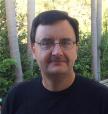


Dr Peter Kappen manages the Spectroscopy Group at the Australian Synchrotron.

Using the theory of compressed sensing technology, a team of physicists and engineers invented and developed the CORIS360® platform imaging technology. Compressed sensing imaging can generate an image with far fewer samples compared with other imaging techniques.

Discover the many career opportunities in the nuclear industry on a special behind the scenes tour of ANSTO.

Book a date with the Discovery Centre for your class.


ANSTO has over 35 years' experience in providing radiation safety management with teams offering radiation consultancy, instrument calibration and radiation safety training tailored to our clients' needs.
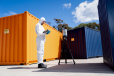
It is critical across many industries to identify and locate sources of radiation accurately and quickly. By accurately imaging radiation across the full energy range, CORIS360™ improves operational decision making across many industry settings.