Showing 1041 - 1060 of 1157 results
Tobacco plant has potential to fight life-threatening infectious diseases
Protein found in tobacco plant can target and kill microorganisms,
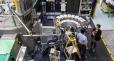
Wombat - High-Intensity Diffractometer
Wombat is a high intensity neutron diffractometer that is primarily used as a high-speed powder diffractometer, but has also expanded into texture characterisation and single-crystal measurement, particularly diffuse scattering.
X-ray technique used in research on early life forms
Singapore researchers publish findings of link between proteins of archaea and eukaryotes despite being separated by more than 2 billion years of evolution.
Contribution to authoritative nuclear publication
ANSTO has contributed to the internationally-distributed handbook on plutonium published by the American Nuclear Society.
Frederic Sierro joins team
New researcher joins human health team to focus on role of acquired immunity in preventing disease

Sydney
Sydney
Personalised cancer therapy
Research collaboration with University of Sydney focuses on a personalised approach to cancer treatment.

Neutron Activation Analysis and Neutron Irradiation
Neutron Activation Analysis (NAA) is a highly sensitive method of quantitative elemental analysis. There is a wide range of potential applications for neutron irradiations.
Australia’s nuclear science capabilities have been central to our fight against COVID-19
ANSTO scientists share approach on the global stage at the IAEA General Conference.
As Australia’s native food industry booms, experts say commercial companies must stop exploiting native food knowledge
Aboriginal leaders and advocates have joined together today to call out commercial companies exploiting native food knowledge without adequate community engagement.
Webinar: Impacts of Decommissioning Oil & Gas Infrastructure
Connect with the businesses and organisations seeking better understanding decommissioning oil and gas infrastructure and the potential impact of contaminants on marine life.
Headed to Antarctica
Young researcher accepted into the Australian Antarctic Science Program.
ANSTO facilities and expertise supply a large range of radioisotopes for radiopharmaceutical and environmental applications
Excellent radiolabelling facilities and the operation of OPAL, a world-class multi-purpose nuclear reactor, enable ANSTO to produce a large range of radioisotopes for Australian researchers in both radiopharmaceutical and environmental areas.
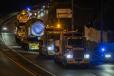
Management of nuclear reactor fuel
ANSTO has safely managed its radioactive waste for over 60 years. Waste is managed in accordance with national and international standards.

The evolution of molten salt reactors
Molten Salt Reactors (MSRs) are nuclear reactors that use a fluid fuel in the form of very hot fluoride or chloride salt rather than the solid fuel used in most reactors. Since the fuel salt is liquid, it can be both the fuel to produce heat and the coolant to transport the heat to a power plant.
Reconstructing the history of coastal erosion
Research makes it possible to assess if and how rocky coasts, which make up the majority of the world’s coasts including Australia and New Zealand, will respond to changes in marine conditions.
Strong collaborations bring success for ceramic engineering scientist
Dr Inna Karatchevtseva, who collaborates with DMTC, was among those identified by The Australian in its Research magazine as a national leader in her field of ceramic engineering