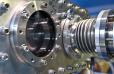
Recoil Time of Flight Spectrometry
Recoil Time of Flight Spectrometry (RTOF) is used to detect a multitude of elements by separating their masses. unambiguously


Showing 1061 - 1080 of 1423 results
Recoil Time of Flight Spectrometry (RTOF) is used to detect a multitude of elements by separating their masses. unambiguously

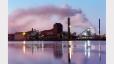
ANSTO has been measuring and characterising fine particle pollution from key sites around Australia for more than 30 years.
This data set provides records from 1998 to 2019 of the concentration of 12 elements present in fine airborne particulate matter from an air sampling station located in Mayfield in Newcastle, NSW.
Research infrastructure will support research and development of advanced concrete.
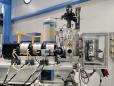
The high-energy heavy-ion microprobe is used for the characterisation or modification of material properties at depths from approximately 1 micrometre to maximum depths of up to 500 micrometres from the material surface.

Planetary science is an emerging research theme in Australia, and research at ANSTO is embedded in the heart of this.
Exploring the interaction of polystyrene nanoplastics and blood plasma proteins.

The growth and incorporation of graphene into semiconductor device architectures has been limited by challenges related to the quality, reproducibility, and high process temperatures required to grow it on suitable substrates.
ANSTO has the capability to analyse heavy isotopes such as 129I, platinum group elements, 236U and Pu isotopes.
The complex engineering of scientific instruments is explored in this 'behind the scenes' look at the installation of frontends for two new beamlines at the Australian Synchrotron.

As Health Physics Surveyor at ANSTO, Harry conducts surveys of sites assessing radiation from various radioactive sources ensuring compliance in line with relevant regulations and policies.
German ambassador visits to see a ‘sparrow’ being assembled.
Improving aquaculture for food production in Papua New Guinea