
Radiotracer Methods and Organic Chemistry Task Leader


Showing 21 - 40 of 120 results

ANSTO User Meeting 2021 - Speakers

Role at ANSTO
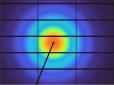
The Biological Small Angle X-ray Scattering beamline will be optimised for measuring small angle scattering of surfactants, nanoparticles, polymers, lipids, proteins and other biological macromolecules in solution. BioSAXS combines combine a state-of-the-art high-flux small angle scattering beamline with specialised in-line protein purification and preparation techniques for high-throughput protein analysis.

The Advanced Diffraction and Scattering beamlines (ADS-1 and ADS-2) are two independently operating, experimentally flexible beamlines that will use high-energy X-ray diffraction and imaging to characterise the structures of new materials and minerals.

A world-class national research facility that uses accelerator technology to produce a powerful source of light-X rays and infrared radiation a million times brighter than the sun.
Publications and resources from the Powder Diffraction beamline.
Thirty years of ANSTO's unique capability in monitoring fine particle pollution provides insight on bushfire smoke.
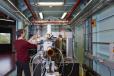
Beamtime Guide on the X-ray Fluorescence Microscopy beamline at the Australian Synchrotron.


Role at ANSTO




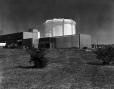
In April 15, 1953, Australia entered the nuclear science arena, when the Atomic Energy Act came into effect. The Australian Atomic Energy Commission (AAEC) followed and in 1987 the AAEC evolved into the Australian Nuclear Science and Technology Organisation (ANSTO) as it’s known today.
How to prepare samples for analysis on the Powder Diffraction beamline.

ANSTO plays a leading role in measuring and characterising fine particles from a range of locations around Australia and internationally.