

Showing 261 - 280 of 1226 results
National Science Week: Success with virtual events
Virtual activities celebrating the benefits of nuclear science and technology held for National Science Week
A natural radioactive tool for urban pollution studies

Waste Production and Consumables
ANSTO provides a summary of waste production and consumables for FY2024 - FY2025
Black carbon detection technology launched commercially
The Multi-wavelength absorption black carbon instrument (MABI), a technology designed and built at ANSTO to measure black carbon in the atmosphere is now commercially available from Thomson Environmental Systems.
Rhodium nanoparticles
Successful synthesis of nano-material that improves catalytic converter efficiency.

About the ANSTO Hackathon
A closer look at clean air and surface technology Elavo
Technology for enclosed spaces recently won global COVID19 NASA hackathon
Australian Critical Minerals Research & Development Hub
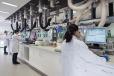
The Australian Critical Minerals Research and Development Hub (the Hub) unites the expertise of top Federal science agencies: ANSTO, Geoscience Australia, and CSIRO with the aim of addressing technical challenges and drive collaborative research across the critical minerals value chain.
Nuclear science helps to re-write the history books

Synchrotron commercial services
The Australian Synchrotron is a source of powerful X-rays and infrared radiation that can be used for a wide range of scientific and technical purposes. Synchrotron X-rays are millions of times brighter than those produced by conventional X-ray machines in laboratories and hospitals.
One zoo, two nuclear scientists, and 30 schools: Welcome to World Environment Day
Sharing expertise with regional neighbours
Participants undertook IAEA training hosted by Macquarie University and ANSTO on use of radionuclides for soil and water investigations.
Biological small angle X-ray scattering beamline (BioSAXS)
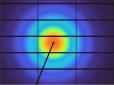
The Biological Small Angle X-ray Scattering beamline will be optimised for measuring small angle scattering of surfactants, nanoparticles, polymers, lipids, proteins and other biological macromolecules in solution. BioSAXS combines combine a state-of-the-art high-flux small angle scattering beamline with specialised in-line protein purification and preparation techniques for high-throughput protein analysis.
Evaluating the impact of nanomaterials on health and the environment
ANSTO has put together a robust multidisciplinary approach to understanding the impacts of nanomaterials, investigating a common food additive, E171 titanium dioxide, used primarily as a colouring agent in everyday foods.
Mural features local indigenous heritage
ANSTO recognises local Indigenous heritage in new mural
Environmental research at archaeological site
Insights about Mayan Empire relevant for current climate challenges
Blue Carbon Horizons Team wins Eureka Prize for Environmental Research
Blue Carbon Horizons Team showed coastal wetlands capture more carbon as sea levels rise
In the push and pull of crowds, disordered proteins dance precariously
A collaboration of scientists from RMIT, ANSTO and the CSIRO has published pioneering research that brings new insights into intrinsically disordered proteins and protein regions (IDPs)/ (IDRs) and how they behave under various physiological processes.
What are radioisotopes?
Radioisotopes are widely used in medicine, industry, and scientific research. New applications for radioisotopes are constantly being developed.