
Benefits of nuclear science
ANSTO uses nuclear research techniques to address many of the important issues of our time relating to the environment, human health and industry.


Showing 281 - 300 of 703 results
ANSTO uses nuclear research techniques to address many of the important issues of our time relating to the environment, human health and industry.
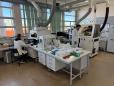
Elemental and trace metal analysis lab is fully equipped with a range of instruments to trace elements and metals in environmental samples.

A sparrow with 257 parts weighing more than 29 tonnes arrives safely at ANSTO
Early-to-mid career women professionals from Asia Pacific region participate
New three year study with UNSW for Cotton Research Development Corporation.
New high energy ion microprobe beamline supports space research on the effects of radiation on astronauts.
An international research collaboration between the University of New South Wales (UNSW), the Shanghai Institute of Applied Physics (SINAP) and ANSTO has provided insights into the performance of advanced material for use in the high-temperature environment of molten salt systems.
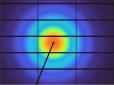
The Biological Small Angle X-ray Scattering beamline will be optimised for measuring small angle scattering of surfactants, nanoparticles, polymers, lipids, proteins and other biological macromolecules in solution. BioSAXS combines combine a state-of-the-art high-flux small angle scattering beamline with specialised in-line protein purification and preparation techniques for high-throughput protein analysis.
Professor Elliot Gilbert and Dr Norman Booth have received awards from the Australian Neutron Beam Users Group at the 2021 ANSTO Users Meeting
Cracking the code for crop nutrition and food quality with X-ray fluorescence microscopy.
Australia’s best known carnivorous dinosaur Australovenator is under the microscope at ANSTO

Sample environments, Data Analysis, Mail-in Services.
ANSTO health researchers have contributed to an international study published in Nature Neuroscience that sheds light on the mechanism by which anti-anxiety drugs act on the brain which could lead to cognitive impairment in vulnerable individuals.