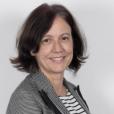
Principal Consultant
Dr Karin Soldenhoff is a Principal Consultant within ANSTO's minerals area, managing the process development and research groups.


Showing 1501 - 1520 of 1659 results
Dr Karin Soldenhoff is a Principal Consultant within ANSTO's minerals area, managing the process development and research groups.
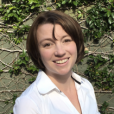
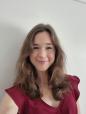
Sarah joined ANSTO in May as a part-time Marketing and Events Coordinator for the Nuclear Science and Technology group.
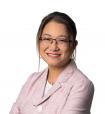
Professor Lee is a Nuclear Medicine Physician at Austin Health in Melbourne, with extensive nuclear medicine expertise and is very highly regarded in the nuclear medicine community.
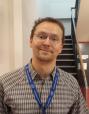
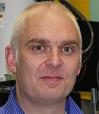
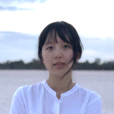
Principal Research Scientist Andrew Smith is travelling to the Taylor Glacier in Antarctica with American collaborators on a 3-year National Science Foundation project now in its final year that involves mining tonnes of ice for palaeoclimate research.
Australian clean energy technology company, entX Limited is taking advantage of ANSTO’s unique capacity to generate tailored radioisotope products in the OPAL multi-purpose nuclear reactor to advance a series of innovative projects.

ANSTO's Graduate Program develops the next generation of Australian business and science leaders, by providing the best and brightest postgraduate students with a two-year rotation cycle, tailored to match your talents, goals and interests.
Role at ANSTO
Role at ANSTO
Iveta provides technical support and maintains the laboratories.
Background
Role at ANSTO