Natural variability in hydrological systems
Research to improve knowledge of natural variability in rainfall and recharge by monitoring hydrological processes in key regions and reconstruct water recharge history.


Showing 481 - 500 of 1705 results
Research to improve knowledge of natural variability in rainfall and recharge by monitoring hydrological processes in key regions and reconstruct water recharge history.
ANSTO scientist, Dr Klaus Wilcken of the Centre for Accelerator Science, used cosmogenic nuclide dating to determine the ages of layered sand and gravel samples, in which seven footprints of the flightless bird, the moa, were found on the South Island in New Zealand in 2019.

Collaboration across the Tasman has enabled Australian and New Zealand researchers and scientists to shed light on a protein involved in diseases such as Parkinson’s disease, gastric cancer and melanoma.

ANSTO has a range of capabilities and expertise to support aerospace and space research.
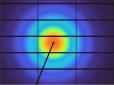
The Biological Small Angle X-ray Scattering beamline will be optimised for measuring small angle scattering of surfactants, nanoparticles, polymers, lipids, proteins and other biological macromolecules in solution. BioSAXS combines combine a state-of-the-art high-flux small angle scattering beamline with specialised in-line protein purification and preparation techniques for high-throughput protein analysis.
A collaboration of Australian scientists has used ANSTO’s Australian Synchrotron to measure the amount of carbon that is captured in microscopic seams of deep-sea limestone, which acts as a carbon sink.

Researchers led by the University of Bristol (UK) have identified a possible cause of SARS-CoV-2’s increased infectivity compared to SARS-CoV
Today is World Environment Day, a United Nations initiative for encouraging worldwide awareness and action for the environment. This year’s theme is “Beat Air Pollution”, a call to action to combat this global crisis.

The National Deuteration Facility offers access to deuterated molecules prepared by both in vivo biodeuteration and chemical deuteration techniques.

Stay updated with the latest news and notifications impacting ANSTO's landmark research infrastructure in both Sydney and Melbourne.
Rare earth elements will be a key area of focus for the Australian Nuclear Science and Technology Organisation’s Minerals unit as it welcomes a $13.9 million funding allocation under the Australian Critical Minerals Research and Development Hub

ANSTO has agreed to participate in an Australian trial of a review of research infrastructure access proposals in which applicants remain anonymous to aid the removal of structural barriers to the career progression of Women in STEM.
Neutron association award to energy materials researcher Prof Vanessa Peterson.