


Showing 81 - 100 of 122 results

Visiting Australia - ANSTO-HZB Neutron Training Course 2024
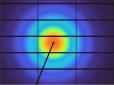
Biological small angle X-ray scattering beamline (BioSAXS)
The Biological Small Angle X-ray Scattering beamline will be optimised for measuring small angle scattering of surfactants, nanoparticles, polymers, lipids, proteins and other biological macromolecules in solution. BioSAXS combines combine a state-of-the-art high-flux small angle scattering beamline with specialised in-line protein purification and preparation techniques for high-throughput protein analysis.

Powder Diffraction
The Powder Diffraction beamline at the Australian Synchrotron is optimised for carrying out structural investigation under non ambient conditions and as a function of time.
Collaborative research has significance for ubiquitous interaction of biomolecules with water

Environment
Unique landmark instrumentation and expertise are a hallmark of ANSTO’s sovereign capability, unavailable anywhere else in Australia. Our ability to identify the source of hazardous particulates in air, the age of water in aquifers and the detailed chemistry of toxic elements in complex soil and biota specimens are just some examples of ANSTO capability.

About us
The Detection & Imaging group builds on ANSTO’s 70-year history of scientific achievements and contributions in meeting the nuclear needs of industry, globally.
Minerals expertise advances sustainable lithium ion battery production
In the push and pull of crowds, disordered proteins dance precariously
A collaboration of scientists from RMIT, ANSTO and the CSIRO has published pioneering research that brings new insights into intrinsically disordered proteins and protein regions (IDPs)/ (IDRs) and how they behave under various physiological processes.
It's all about the interface with multi-use polymer brushes
The University of Newcastle and UNSW [GW1] are using advanced neutron scattering techniques at ANSTO to carry out research on the structure of polymers in complex salt environments that will ultimately provide a way to predict their behaviour for real-world applications.
What World Environment Day means to our scientists

Radiotracer Methods and Organic Chemistry Task Leader
Role at ANSTO
The physics of producing nanoparticles
Measurement research undertaken to ensure safe, well-engineered nanoparticles
Fossils go nuclear
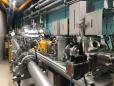
Medium Energy X-ray Absorption Spectroscopy Beamline (MEX-1 and MEX-2)
The Medium Energy- X-ray Absorption Spectroscopy beamlines provides access to XANES and EXAFS data from a bending magnet source, optimised for cutting-edge applications in biological, agricultural and environmental science in an energy range that is not currently available at the Australia Synchrotron.
Synchrotron techniques reveal amount of carbon captured in microscopic seams of deep-sea limestone
A collaboration of Australian scientists has used ANSTO’s Australian Synchrotron to measure the amount of carbon that is captured in microscopic seams of deep-sea limestone, which acts as a carbon sink.

Melbourne
An investigation of residual stresses in insulated rail joints
Potential immunotherapy strategy for HIV
A “super” receptor that helps kill HIV infected cells identified.