
Energy use and emissions
Detailed data on ANSTO electricity use and CO2 emissions for FY2024 - FY2025


Showing 81 - 100 of 130 results
Detailed data on ANSTO electricity use and CO2 emissions for FY2024 - FY2025
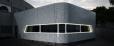
The Advanced Diffraction and Scattering beamlines (ADS-1 and ADS-2) are two independently operating, experimentally flexible beamlines that will use high-energy X-ray diffraction and imaging to characterise the structures of new materials and minerals.
Insights into the behaviour of structural materials in a molten salt environment

Read about an ANSTO scientist and their work to prepare for a school project or interview.

An international research collaboration between the University of New South Wales (UNSW), the Shanghai Institute of Applied Physics (SINAP) and ANSTO has provided insights into the performance of advanced material for use in the high-temperature environment of molten salt systems.
High intensity X-ray beam provides insights into the activity of natural killer cells.

The National Deuteration Facility offers access to deuterated molecules prepared by both in vivo biodeuteration and chemical deuteration techniques.
Australia assists in the collection of marine sediments to support contaminant quality control measures by IAEA.
In a world-first study, Australian environmental scientists have used cave stalagmites as a record of groundwater replenishment over time, that showed the current level of rainfall recharging groundwater in southwest WA is at its lowest for at least the last 800 years.

Four annual awards in neutron scattering were announced at Australian Neutron Beam Users Group (ANBUG) and AINSE Neutron Scattering Symposium (AANSS) to individuals with strong links to ANSTO
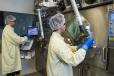
See details of previously published customer updates from our Health products team.