How nuclear energy generation could support clean hydrogen production
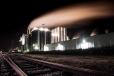
Nuclear-based energy generation systems not only provide comparatively low-cost, low-carbon emission electricity but also provide substantial amounts of process heat.
Showing 101 - 120 of 1521 results
Nuclear-based energy generation systems not only provide comparatively low-cost, low-carbon emission electricity but also provide substantial amounts of process heat.
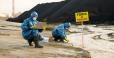
A dedicated team of radiation specialists from the Australian Nuclear Science and Technology Organisation (ANSTO) are behind the successful detection and rapid retrieval of a missing radioactive source in outback Western Australia.
ANSTO has collaborated on a study assessing the impact of the commonly-used food additive titanium dioxide (TiO2) on gut microbiota and inflammation.
International researchers have used nuclear techniques at ANSTO - a centre for food materials science - to develop a methodology that could assist in the design of oleogel systems for food applications.
A team of scientists from The Australian National University (ANU) has discovered how a powerful “weapon” used by many fungal pathogens enables them to cause disease in major food crops such as rice and corn
A team of scientists led by Monash University and the University of Melbourne in association with the Peter Doherty Institute for Infection and Immunity have made progress in clarifying the molecular interactions that underpin how our adaptive immune cells recognise SARS CoV-2, which causes COVID-19.
Hudson Institute of Medical Research and Monash University researchers used synchrotron X-rays produce powerful visualisation of video of changes to blood flow to brain during ventilation in large preterm clinical models.
A large team of international researchers have used synchrotron techniques to understand how key proteins contribute to the virulence of the rabies virus, sometimes called the “zombie virus.”
The unique magnetic properties and nontrivial quantum effects were observed and measured in an advanced material with potential application for quantum computing.
Nuclear science is applied by ANSTO's scientists in many areas that are vital to Australia's future, including agriculture, industry and manufacturing, minerals construction, health and environment. Our work in the development and applications and new knowledge and skills arises from world-class experience in nuclear science and technologies.