

Showing 1 - 20 of 20 results
Advanced synchrotron imaging supports Australian dinosaur research discovery
Groundbreaking research published today in the Journal of Vertebrate Paleontology by the Museums Victoria Research Institute and Monash University unveiled a landmark discovery – fossils of the world’s oldest known megaraptorid and the first evidence of carcharodontosaurs in Australia.

User Meeting 2025 Accommodation Options
Accommodation Information
Nuclear techniques reveal membrane interaction of novel therapeutic option to combat superbugs
ANSTO has contributed to research on a novel therapeutic option for combatting antimicrobial-resistant Gram-negative bacteria, known as superbugs.

Visit the Australian Synchrotron
ANSTO's Melbourne location is home to the ANSTO-owned and operated Australian Synchrotron. The Synchrotron is one of the Australia's most significant pieces of scientific infrastructure.
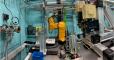
Micro-Computed Tomography beamline (MCT)
With enhanced submicron spatial resolution, speed and contrast, the Micro-Computed Tomography beamline opens a window on the micron-scale 3D structure of a wide range of samples relevant to many areas of science including life sciences, materials engineering, anthropology, palaeontology and geology. MCT will be able to undertake high-speed and high-throughput studies, as well as provide a range of phase-contrast imaging modalities.

Nanoprobe beamline (NANO) - under construction
The BRIGHT Nanoprobe beamline provides a unique facility capable of spectroscopic and full-field imaging. NANO will undertake high-resolution elemental mapping and ptychographic coherent diffraction imaging. Elemental mapping and XANES studies (after DCM upgrade) will be possible at sub-100 nm resolution, with structural features able to be studied down to 15 nm using ptychography.

Group Manager - Scattering
Role at ANSTO
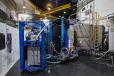
Services - Taipan
Sample environments, Data analysis, SpICE and SICS
New Medicines Manufacturing Innovation Centre, co-located at the Australian Synchrotron, opened
The newly built Medicines Manufacturing Innovation Centre (MMIC), co-located at the Australian Synchrotron at Clayton, was officially opened on Wednesday by the Victorian Deputy Premier and Minister for Medical Research the Hon Ben Carroll.
Significant milestone for Australia's new nuclear medicine manufacturing plant
Improving rail transport
Funding awarded for research on an additive manufacturing technique for use on rail infrastructure.

Senior Beamline Scientist – Infrared Microspectroscopy (IRM)
Role at ANSTO
Tailorable nanoscale emulsions
Progress on tailorable nanoscale emulsion for a wide variety of applications including drug delivery

Radiopharmacology Interface/Radiotracer Evaluation Co-ordinator
Role at ANSTO

Industrial Liaison Manager - Senior Research Scientist
Role at ANSTO

ANSTO User Meeting - Speakers
ANSTO User Meeting 2021 - Speakers
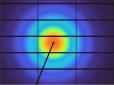
Biological small angle X-ray scattering beamline (BioSAXS)
The Biological Small Angle X-ray Scattering beamline will be optimised for measuring small angle scattering of surfactants, nanoparticles, polymers, lipids, proteins and other biological macromolecules in solution. BioSAXS combines combine a state-of-the-art high-flux small angle scattering beamline with specialised in-line protein purification and preparation techniques for high-throughput protein analysis.
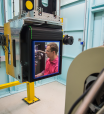
High Performance Macromolecular Crystallography Beamline (MX3)
The High Performance Macromolecular Crystallography beamline will enable the study of very small (sub-5 micrometre) or weakly diffracting crystals, providing a state-of-the-art high-throughput facility for researchers. MX3 will be able to study the structures of large proteins and protein complexes for virology, drug design and industrial applications via goniometer mounted crystals, in-tray screening, or via serial crystallography methods.

Advanced Diffraction & Scattering Beamlines (ADS-1 and ADS-2) UNDER CONSTRUCTION
The Advanced Diffraction and Scattering beamlines (ADS-1 and ADS-2) are two independently operating, experimentally flexible beamlines that will use high-energy X-ray diffraction and imaging to characterise the structures of new materials and minerals.