
Scientist - XAS
Dr Valerie Mitchell is a beamline scientist on the X-ray Absorption Spectroscopy beamline at the Australian Synchrotron.


Showing 61 - 80 of 286 results
Dr Valerie Mitchell is a beamline scientist on the X-ray Absorption Spectroscopy beamline at the Australian Synchrotron.
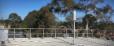
ANSTO continually monitors environmental gamma radiation from a station located in Engadine NSW. ANSTO uses environmental radiation data to evaluate atmospheric dispersion from its site. This radiation is almost completely natural background radiation.
Publications highlights three young researchers

With the support of the Sir William Tyree Foundation, ANSTO is offering two career development opportunities for young Indigenous Australians in the area of work, health and safety.

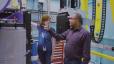
The Macromolecular Crystallography beamlines at the Australian Synchrotron (MX1 and MX2) are general purpose crystallography instruments for determining chemical and biological structures.
Australia assists in the collection of marine sediments to support contaminant quality control measures by IAEA.
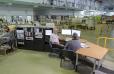
ANSTO plays a leading role in measuring and characterising fine particles from a range of locations around Australia and internationally.

The ANSTO Science Series is a live and virtual meet-up that focuses on the key capacities of ANSTO’s people, partners and facilities and how they are meeting global challenges in sustainable industries, medicine, advanced manufacturing and in accelerating small business.

The Australian Centre for Neutron Scattering maintains a sample environment service for the instruments. It comprises a range of sample environments, two sample environment laboratories and four sample preparation laboratories.
ANSTO has made two public submissions to parliamentary inquiries with another to be submitted in February 2020 on matters relating to nuclear technologies, their peaceful applications, and the nuclear fuel cycle.
A new source added to ANSTO’s cosmogenic toolkit to study past climate and landscape change
It's ANSTO's role to keep Australia across the very latest developments in nuclear science and technology from around the world. Part of this responsibility is keeping us abreast of the latest developments in nuclear power technologies.
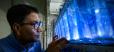
Research on the impacts of land-use, contamination, water management and climate variability on aquatic ecosystems..

Research to date and trace past climate change and interpret the indicators and drivers of the Earth's climate.
Nitrogen-doped ultrananocrystalline diamond (N-UNCD) is a promising material for future biological and electrochemical applications.
Study shows for the first time that vegetation in the Windmill Islands, East Antarctica is changing rapidly in response to a drying climate.
nandin member, SVSR, report on their proof-of-concept for a reusable Graphene Oxide (GO) membrane to capture waste water vapours from ageing sewerage systems.
ANSTO recognises local Indigenous heritage in new mural