

Showing 61 - 80 of 179 results
Using light to understand disease
Nuclear medicine congress
Congress marks watershed moment for nuclear medicine and ANSTO
Australian Synchrotron to join consortium mapping the human brain
Consortium will map the 86 billion nerve cells, 100 trillion connections and neurotransmitters in the human brain.
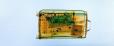
Flexible, printable X-ray detectors
Low-cost X-ray detectors featuring high sensitivity, durability and physical flexibility are required in fields ranging from medical imaging to defence. In this study, a new material for X-ray detection was coupled with inkjet printing to produce a series of prototype X-ray detectors.
Microfluidics: the next wave of disruptive technology in radiochemistry?
Quantum sensing exploits the most counterintuitive properties of quantum systems
Devices that use quantum sensors take advantage of quantum properties, unlike conventional instruments that apply classical physics in their operation.
Medical Research Future Fund Grant targeting glioma with precision radiotherapy and biochemical dose amplification
ANSTO has secured a $1.62 million Medical Research Future Fund (MRFF) grant under the Australian Brain Cancer Mission’s 2024 Brain Cancer Discovery and Translation program, administered by the Department of Health and Aged Care.
DRAXIMAGE MACROSALB®

Instrument Scientist
Role at ANSTO
New partnership and nuclear techniques to aid cancer research

Team Leader, NBI2 Data Acquisition
Role at ANSTO
Nuclear NextGen – ANSTO's Work Experience Intensive Days for 2026
Designed for Radiation Safety Officers working in industrial settings responsible for radioactive substances and/or radiation apparatus. ANSTO is a recognised leader in radiation safety training, delivering industry and regulator-approved courses for licences including IA7, IA8, IA10, IA12, IA19 & IA41.
Sydney
Honours for ANSTO Board Member
Pioneering Australian partnership of art and science reveals hidden masterpiece
Studying stonefish venom may help combat transplant rejection
Remarkable clinical trial results shared internationally
A targeted radioactive infusion that is a game-changer in late-stage prostate cancer can also dramatically improve outcomes for patients in earlier stages of this disease, a Peter Mac-led study has shown.
New anti-cancer drugs put cancers to sleep… permanently
Biochemical and structural studies to elucidate protein interactions of the new compounds and target molecules included X-ray diffraction at the Australian Synchrotron.
Symposium on advanced therapy
Science and medical experts meet in Adelaide to discuss great potential of particle therapy in Australia