

Showing 101 - 120 of 120 results
Environment researchers share expertise
Project focuses on enhancing crop productivity in Asia Pacific countries by improving soil and water.
Building greater understanding of the role of nuclear science in addressing global challenges
General manager ANSTO Communications and Stakeholder Engagement was one of the presenters at the IAEA W4NSEC workshop
Tackling international public health issue
ANSTO facilitating coordinated effort to find the nexus that leads to chronic kidney disease of unknown origin
Australia's radioactivity measurement centre officially opened

Accessing ACNS

Highlights - Cultural Heritage
Over the last decades, neutron, photon, and ion beams have been established as an innovative and attractive investigative approach to characterise cultural-heritage materials.

Samples - Infrared microspectroscopy
The Infrared microspectroscopy microscopes can record spectra from a range of different samples; from thin microtomed sections to polished blocks and embedded particles. This section highlights the types of samples that can be analysed using the IRM beamline
Celebrating crystallography - New video
ANSTO plastic trawling from Hobart to Sydney
ANSTO researchers support study into conversion of waste heat into potential new energy source
Nuclear techniques will be crucial tools in the development of advanced materials that sustainably convert waste heat into useful forms of energy to benefit Australia.
Twenty PhD students take on an innovation challenge linked to leading Australian industry partners
Nine PhD students are taking part in a rare opportunity to deliver an innovative solution to a real-world challenge for an industry partner in ANSTO’s National Graduate Innovation Forum in association with the Australian Council of Deans of Science and the Australian Institute of Nuclear Science and Engineering.
ANSTO’s Australian Synchrotron launches the Monash Precinct Network in Melbourne
ANSTO has warmly welcomed the official launch of the Monash Precinct Network by Victorian Member for Ashwood, Matt Fregon MP at a special event at the Australian Synchrotron.
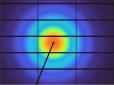
Biological small angle X-ray scattering beamline (BioSAXS)
The Biological Small Angle X-ray Scattering beamline will be optimised for measuring small angle scattering of surfactants, nanoparticles, polymers, lipids, proteins and other biological macromolecules in solution. BioSAXS combines combine a state-of-the-art high-flux small angle scattering beamline with specialised in-line protein purification and preparation techniques for high-throughput protein analysis.
Feathery moa’s fossilised footprints, ancient age revealed
ANSTO scientist, Dr Klaus Wilcken of the Centre for Accelerator Science, used cosmogenic nuclide dating to determine the ages of layered sand and gravel samples, in which seven footprints of the flightless bird, the moa, were found on the South Island in New Zealand in 2019.

Archive
Archive of ANSTO research publications, seminars and short talks.
ANSTO scientists would have preferred more about the physics but impressed with Oppenheimer
In part 1 of this two-part series, ANSTO scientists from across the organisation became film critics to review Christopher Nolan’s new movie, Oppenheimer, which explores the life of the director of the Manhattan Project to develop an atomic weapon.
Inaugural particle therapy study tour to Japan
Australian researchers and clinicians have recently returned from Japan where they investigated the use of advanced radiation therapy for cancer using heavy ions at particle therapy facilities on a study tour .

Highlights - Energy Materials
Highlights of the Energy Materials Project.
Publications
Publications and resources from the Powder Diffraction beamline.