Big Ideas Forum
Creative ideas are the spark for great innovations: this week students from across Australia got to share their ideas through ANSTO’s Big Ideas Forum.


Showing 281 - 300 of 542 results
Creative ideas are the spark for great innovations: this week students from across Australia got to share their ideas through ANSTO’s Big Ideas Forum.
MABI instrument can determine both the concentration and source of black carbon pollution in the atmosphere.

Modelling and experimentation - a powerful combination in probing mechanical properties of ion irradiated materials through nanoindentation.
Neutron Capture Enhanced Particle Therapy developed at ANSTO.

ANSTO is collaborating on a project funded with an Australian Research Council linkage grant that will develop new materials and better systems for efficiently storing hydrogen gas.
Radioactive phosphorous for implantable medical device to treat pancreatic cancer in global clinical trial
Scientists have found a new approach to killing antibiotic-resistant bacteria using lipid nanoparticles that target specific layers on the surface of the bacterial cell.

The User Advisory Committee (UAC) are pleased to present this year's invited speakers.
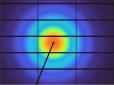
The Biological Small Angle X-ray Scattering beamline will be optimised for measuring small angle scattering of surfactants, nanoparticles, polymers, lipids, proteins and other biological macromolecules in solution. BioSAXS combines combine a state-of-the-art high-flux small angle scattering beamline with specialised in-line protein purification and preparation techniques for high-throughput protein analysis.
A collaborative group including Monash has produced an ultra-thin and ultra-flexible organic solar cell for advanced wearable devices.
A new radiocarbon dating facility opened at the University of New South Wales (UNSW) will complement the extensive radiocarbon facilities at ANSTO’s world-leading Centre for Accelerator Science
ANSTO scientists share approach on the global stage at the IAEA General Conference.
Applications are now being accepted for the Industry foundations Scholarship.

The Infrared Microspectroscopy beamline combines the high brilliance and collimation of the synchrotron beam through a Bruker V80v Fourier Transform Infrared (FTIR) spectrometer and into a Hyperion 3000 IR microscope to reach high signal-to-noise ratios at diffraction limited spatial resolutions between 3-8 μm.