
Data Analysis
Below lists some useful programs for data reduction, search matching, analysis and structure visualisation of diffraction data.


Showing 281 - 300 of 363 results
Below lists some useful programs for data reduction, search matching, analysis and structure visualisation of diffraction data.

ANSTO's Graduate Program develops the next generation of Australian business and science leaders, by providing the best and brightest postgraduate students with a two-year rotation cycle, tailored to match your talents, goals and interests.

The nandin Deep Technology Incubator at ANSTO’s Lucas Heights innovation precinct has welcomed two new members.

Detailed molecular structure of silver nanocrystals determined
Study shows for the first time that vegetation in the Windmill Islands, East Antarctica is changing rapidly in response to a drying climate.
Radiation testing of electronic components at ANTO could benefit the aviation industry, regulators and most importantly, passengers as solar radiation events increase.
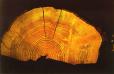
Radiocarbon dating is a well-known method for determining the age of materials up to the age of approximately 50,000 years.

ANSTO has secured a $1.62 million Medical Research Future Fund (MRFF) grant under the Australian Brain Cancer Mission’s 2024 Brain Cancer Discovery and Translation program
Tool developed for producing F-18 radiopharmaceuticals for PET imaging.
Researchers and industry partners from UNSW Australia, the Australian Centre for Nanomedicine, Children’s Cancer Institute and Inventia Life Sciences Pty Ltd have been awarded the 2021 ANSTO Eureka Prize for Innovative Use of Technology for their method to rapidly-produce 3D cell structures
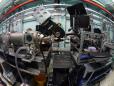
Technical information on the SAXS / WAXS beamline at the Australian Synchrotron.

ANSTO is home to over AUD$1.3B state of the art instruments and science technology. To access ANSTO’s world-leading and highly specialised facilities and capabilities, please contact our Industry Engagement team. This way we can co-ordinate your enquiry and provide advice on your application.