

Showing 1821 - 1840 of 2699 results
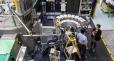
Wombat - High-Intensity Diffractometer
Wombat is a high intensity neutron diffractometer that is primarily used as a high-speed powder diffractometer, but has also expanded into texture characterisation and single-crystal measurement, particularly diffuse scattering.

Indigenous Research Digital Project Map
Explore our new resource, a digital map that highlights our research projects that support the First Nations people of Australia.
Lego robotics model of our TAIPAN 3-Axis Spectrometer

Applications - Kookaburra
Applications and Publications
ITER update
Favourable conceptual design review may lead to expanded role for Australia on ITER diagnostics.
The microstructure of paracetamol
Analysing the microstructure of paracetamol using synchrotron infrared optical technique provides insights.
Tailorable nanoscale emulsions
Progress on tailorable nanoscale emulsion for a wide variety of applications including drug delivery
Synchrotron techniques provide insights into swifter battery charging
New research published in the journal Nature Nanotechnology shows that the next generation of lithium-sulphur (Li||S) batteries may be capable of being charged in less than five minutes, instead of several hours as is currently the case.

Emu - High-Resolution Backscattering Spectrometer
Theinstrument is typically used to study diffusing water molecules or yet larger molecules like polymers or biological molecules. In addition, Emu can reveal quantum-mechanical tunnelling.
It's GO time
nandin member, SVSR, report on their proof-of-concept for a reusable Graphene Oxide (GO) membrane to capture waste water vapours from ageing sewerage systems.
Advanced repair technology shows promise for rails in remote locations
Research provides understanding of migration of early peoples into Oceania
Research has revealed the Lapita cultural group interacted with the indigenous people of Papua New Guinea more than 3,000 years ago and set the stage for the peopling of the Pacific
Blueprint for future drugs
Structure of protein involved in immune response pair revealed.
Untangling spaghetti
Elucidating molecular basis of the complex viscoelastic properties of polymers

In-situ cosmogenic carbon-14
ANSTO and the University of Wollongong are jointly operating a unique laboratory able to extract carbon-14 (radiocarbon) atoms out of a rock that is attracting global interest as a new tool to better understand recent changes in Earth’s climate system and rates of landscape change over the past 20, 000 years.
Some surprises about the degradation of microplastics in our oceans
The process by which plastic degrades in the ocean facilitates its entry into the natural carbon cycle efficiently as carbon dioxide.
Using cosmic ray 'clocks in rocks' to understand climate change

Gamma radiation imaging technology
A new imaging technology developed at ANSTO makes it possible to image, identify and locate gamma-ray radiation in a safe and timely manner.
Nuclear power technology explored
ANSTO shared expertise on next-generation reactors and nuclear power with sustainable energy experts at the Australian Academy of Science symposium in May.