

Showing 941 - 960 of 1644 results
Ultra-thin lithium strips show great promise as anode material for enhanced lithium ion batteries
Chinese researchers have eveloped a novel strategy for the scalable production of high-performance, thin, and free-standing lithium anodes for lithium-ion batteries with enhanced cycling stability and electrochemical properties.
Last meal reveals eating habits of Australian sauropod
International research led by Curtin University and supported by ANSTO, has identified and studied the first sauropod dinosaur gut contents found anywhere in the world. The stomach content was preserved with a reasonably complete skeleton of the Australian Cretaceous species Diamantinasaurus matildae found in Winton Queensland.
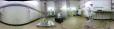
Detecting nuclear material
The new gamma imaging technology developed at ANSTO has been used to detect the presence and location of nuclear material for the International Partnership for Nuclear Disarmament Verification.
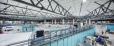
Industry and community group tours (Australian Synchrotron, Melbourne)
Explore this world-class facility that is able to examine materials at an atomic level and learn about the broad range of important research applications from medicine to biotechnology, advanced materials and even cultural heritage.
Guided 90-minute public tours of the Australian Synchrotron are available throughout the year.
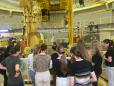
ANSTO High School Work Experience Program 2025
2025 ANSTO Work Experience Program will be open for applications in the new year.

The Victor Chang Institute School Science Awards
MOU formalises cooperation with Vietnamese nuclear agencies
Discussions were held on possible areas on cooperation including research reactor operation and utilisation, environmental monitoring of mining tails, and food provenance.
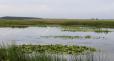
Water Isotope Network
Currently ANSTO partners with the Australian Bureau of Meteorology to operate the Australian GNIP stations with samples analysed at ANSTO’s Environmental Isotope Laboratories in Sydney.
From the jaws of a crocodile to powerful synchrotron light, La Trobe researchers discover a mechanism that could help fight fungal infections
La Trobe University researchers have used the Australian Synchrotron in a new study that reveals how crocodiles resist fatal fungal infections with a unique pH sensing mechanism despite living in filthy water.
ANSTO Board appointments strengthen expertise
Nuclear security science
In association with the IAEA, ANSTO supports nuclear security in Australia, the Asia-Pacific Region, and around the world, by providing international leadership in nuclear forensic science.
Australia completes first phase of its waste repatriation project
Advisory Committee meets
Research portfolio and future expansion of Australian Centre for Neutron Scattering discussed
Facilities meeting
Australian Centre for Neutorn Scattering - National Deuteration Facility Advisory Committee meets
Excellence in Innovation Award for "Microclimates for high-value crops"

Role of the translocator protein in mitigating stress
TSPO is a protein that is associated with crucial cellular functions including the activity of the mitochondria. A mouse model in which the TSPO (18 kDa) is knocked out was developed at ANSTO in collaboration with The University of Sydney.
Radiocarbon dating Aboriginal and Torres Strait Islander cultures and histories
In this workbook, students will:
- learn about radiocarbon dating and its applications to cultural heritage materials.
- analyse and interpret different texts and videos to better understand Aboriginal and Torres Strait Islander cultures.
- build literacy and numeracy capabilities using cloze passages, writing a glossary, interpreting graphs, answering comprehension questions, and making a timeline and a map to summarise the research stories.

Project Manager for Computing and Electronics
Dr Nick Hauser received his PhD in Physics from the University of Technology Sydney in 1994.
ANSTO shares specialist expertise
Hosts workshop on nuclear forensics for IAEA members.